Lavender is one of the most widely loved aromatic herbs in the world, valued for both its soothing fragrance and its diverse therapeutic qualities. This flowering shrub grows up to three to four feet tall and is easily recognised by its woody stems, needle-like grey-green leaves and tall spikes of purple blossoms. The flowers range from pale lavender to deep indigo depending on the variety. While fresh lavender appears mainly during the summer months, dried lavender is available throughout the year.
All lavender species belong to the Lavandula genus in the mint family (Lamiaceae). There are over a hundred known varieties and hybrids, with Lavandula angustifolia, or English Lavender, being the most commonly used for essential oils, teas and culinary preparations. Lavender is typically propagated through cuttings to maintain the quality and consistency of each variety.
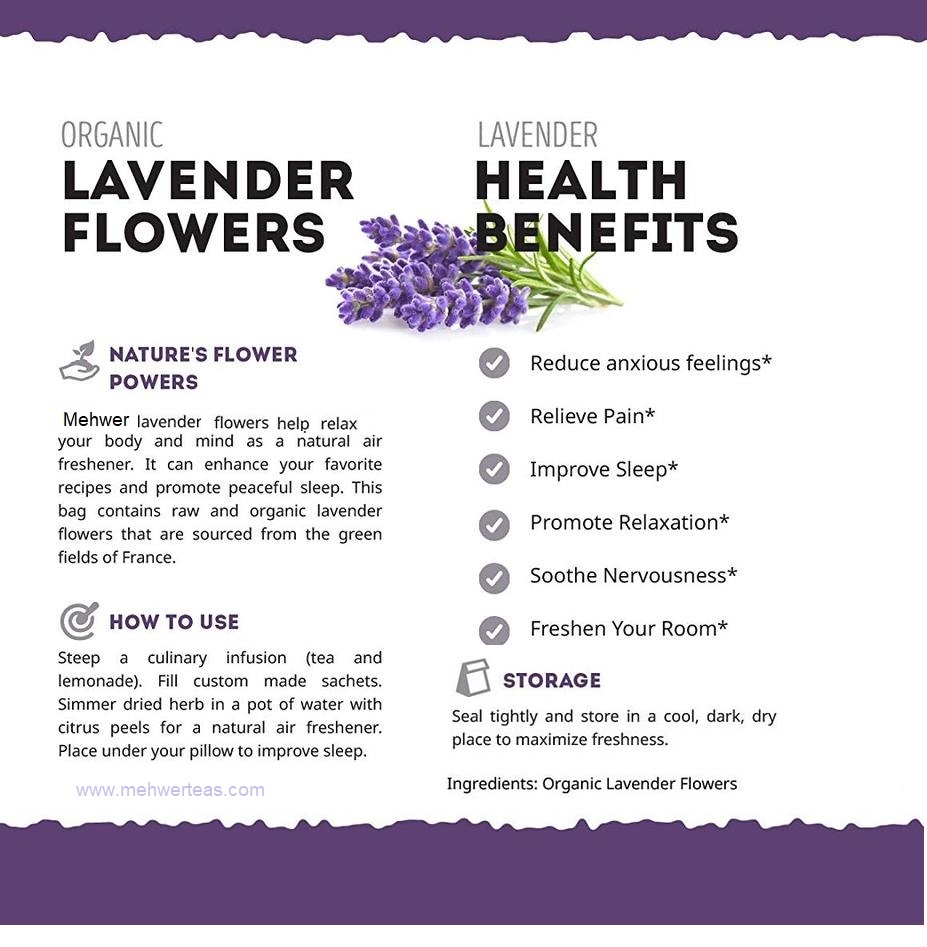
The herb’s signature aroma comes from naturally occurring terpenes like linalool, cineol and limonene. These, along with flavonoids, aromatic alcohols and more than a hundred other plant compounds, give lavender its antiseptic, sedative, antibacterial, antifungal and anti-nausea properties. These constituents also make lavender especially supportive for nervous system–related issues, which is why it is widely used for relaxation, sleep and stress relief.
Lavender has been prized for centuries as a scented herb. Its essential oil is a staple in perfumery, aromatherapy, soaps, bath products and skincare formulations. Traditionally, it has been grown across North and East Africa, the Mediterranean, Southern Europe, India and Arabia. Today, it is also cultivated in regions of the United States and Japan, thriving best in dry, sunny environments with well-drained soil.
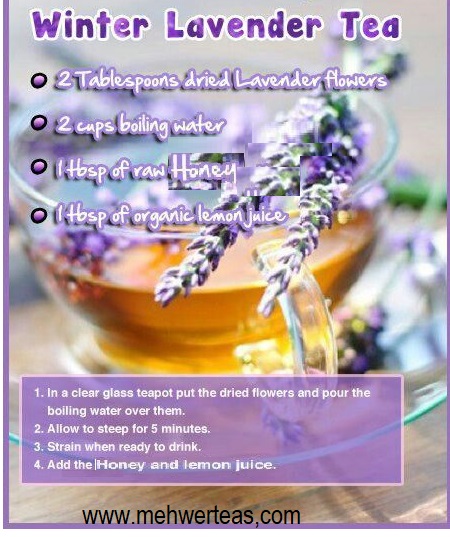
Lavender tea is simple to prepare by steeping dried blossoms for 7 to 10 minutes in hot water. The tea is known for its gentle, therapeutic effects and is commonly used to support sleep, calm nervous tension and uplift the mood. It may also help ease digestive discomfort, flatulence and mild bowel infections. Some people use it for migraines, stress-related headaches and respiratory relief when applied topically. Lavender tea can also be used as a natural mouthwash and as a wash for minor cuts, wounds, ulcers and sores.
Whether taken as tea, used in aromatherapy or applied topically, lavender is a versatile herb that offers natural comfort, balance and a sense of calm.

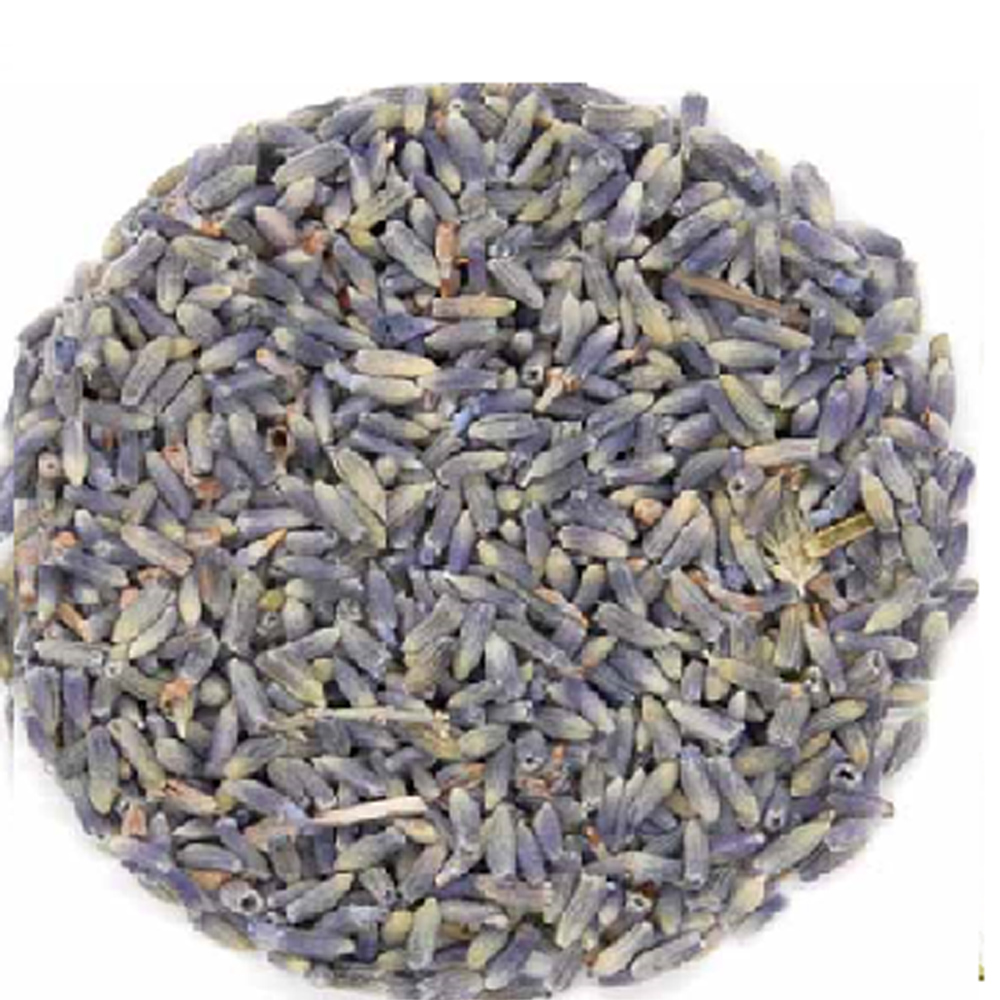
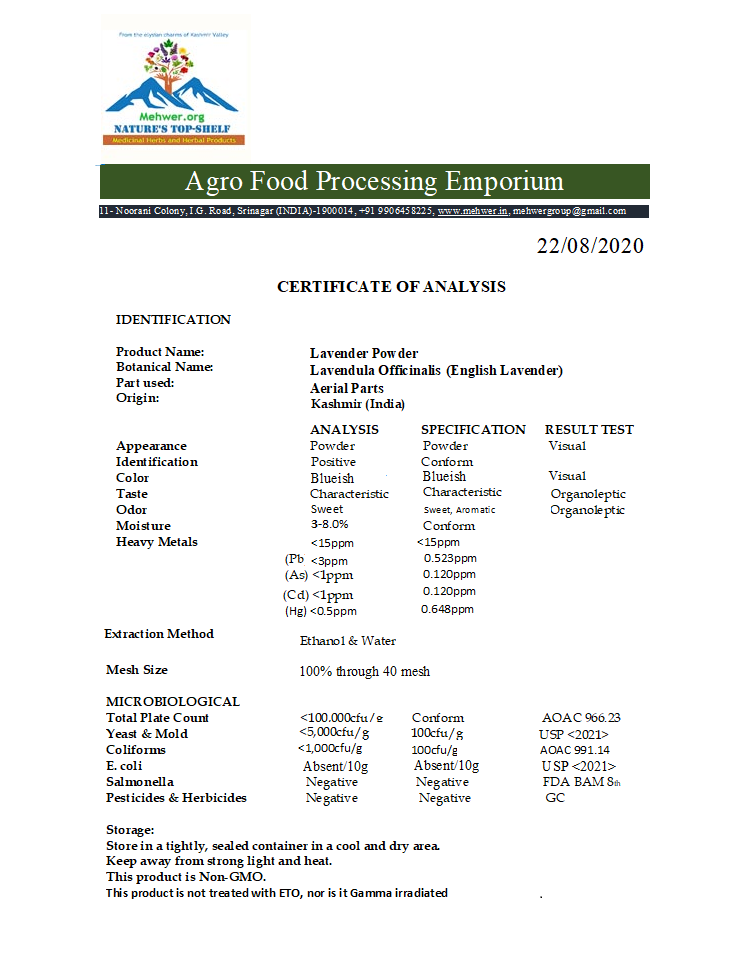


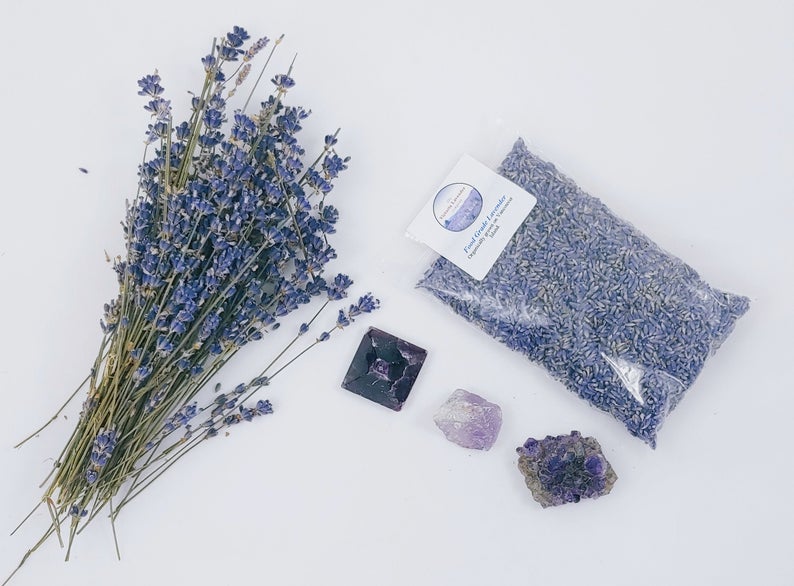
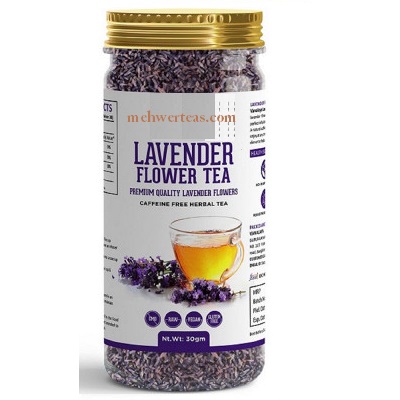

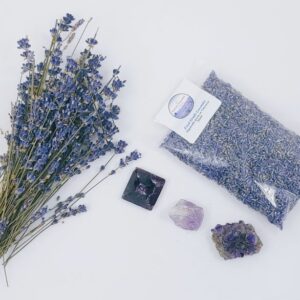


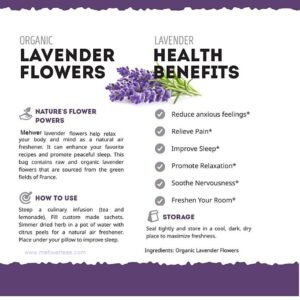
 Lavender tea








Reviews
There are no reviews yet.