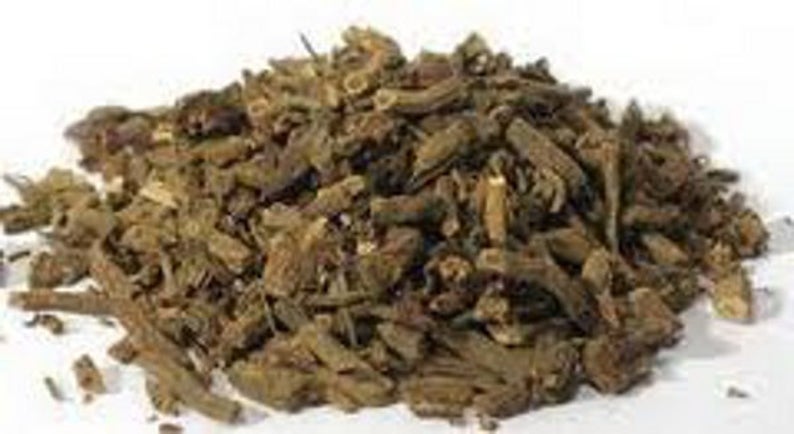
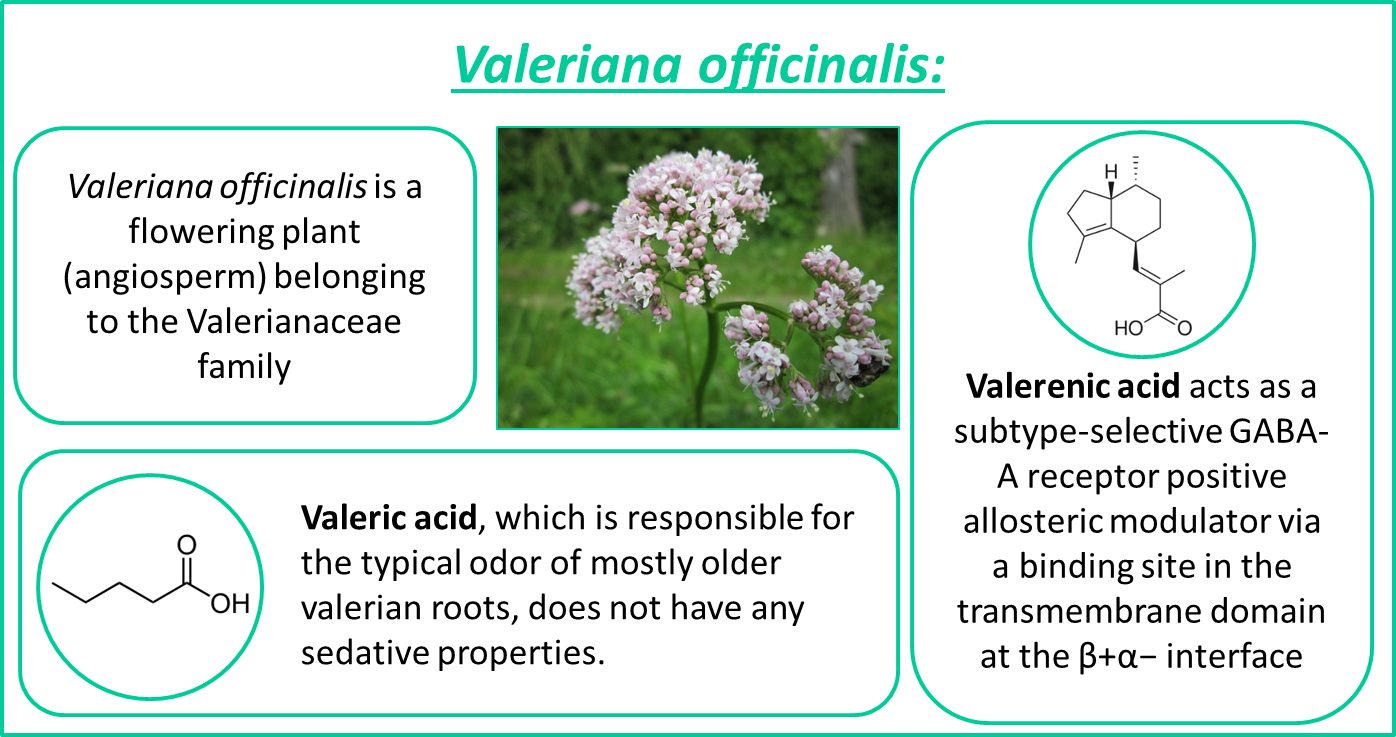
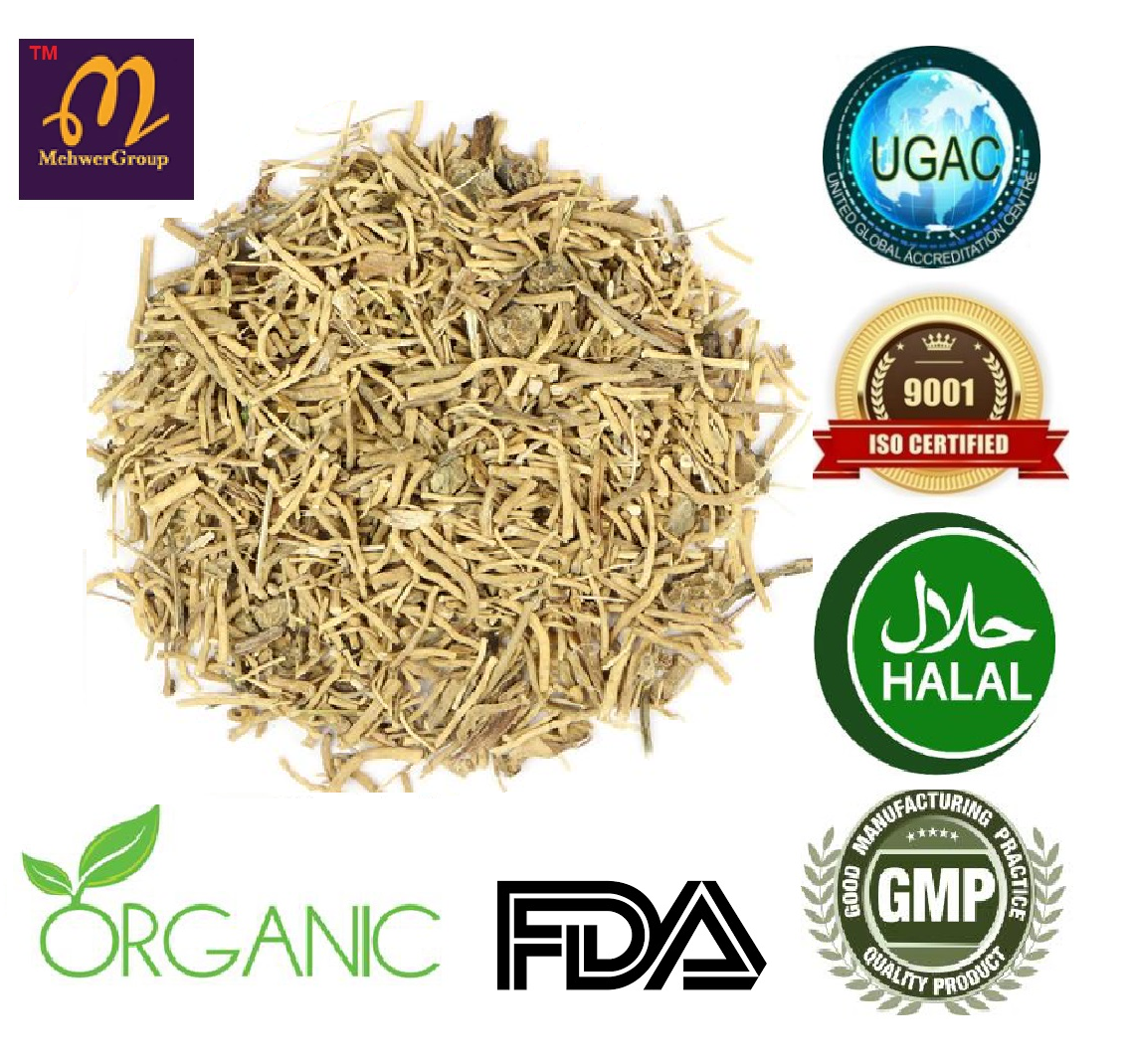
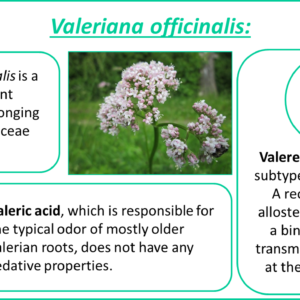
Valerian root, derived from Valeriana officinalis, has been used for centuries in traditional Chinese and Ayurvedic medicine. Today it remains one of the most trusted natural options for promoting restful sleep and easing anxiety. The root is carefully dried at low temperatures to preserve its active compounds, which contribute to its well-known calming effects.
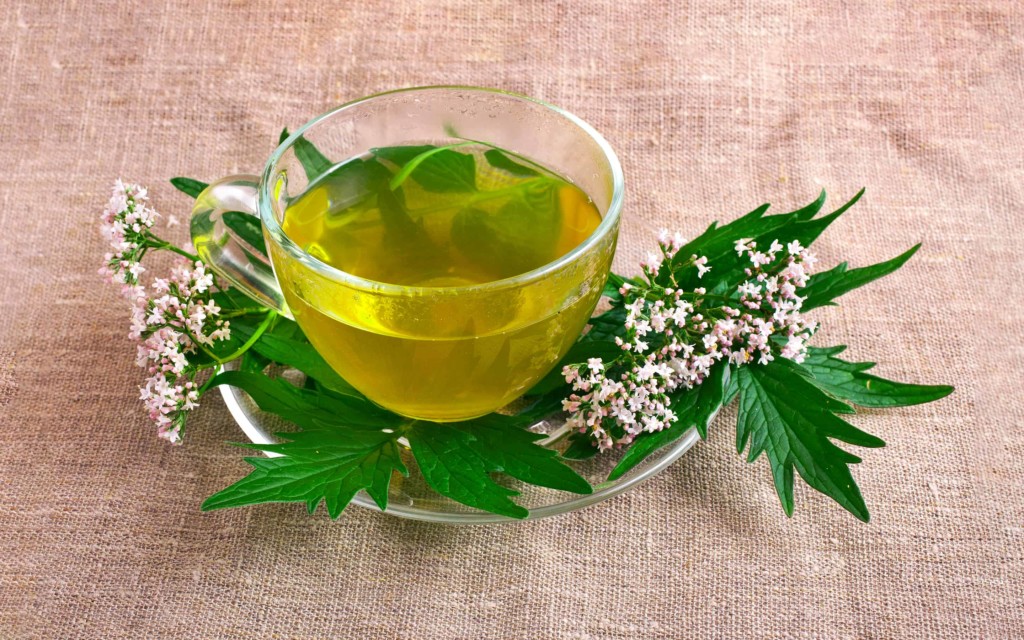
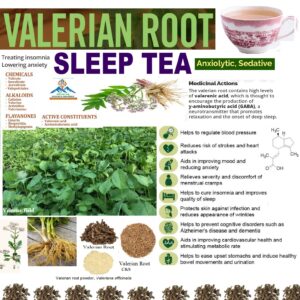
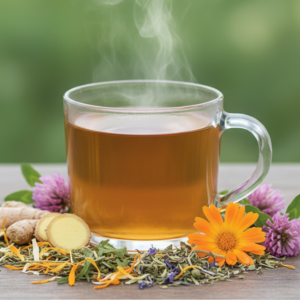
Valerian tea is commonly taken to support better sleep patterns, especially for people dealing with insomnia, stress or mental restlessness. It acts as a gentle relaxant, helping the body slow down and prepare for sleep without creating dependency. Many prefer it as a natural alternative to synthetic sleep aids. Though the tea has a strong aroma and a unique mix of sweet, spicy and slightly bitter notes, its soothing benefits outweigh its scent for most drinkers.
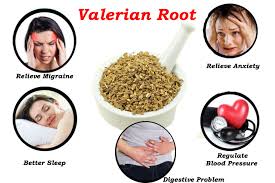
Beyond sleep support, valerian is also used for daytime relaxation in smaller doses. It may help ease anxiety, calm an overactive nervous system and reduce physical tension. Traditional use also includes relief from menstrual discomfort, digestive cramps and muscle spasms. Some studies suggest it may support healthy blood pressure levels and provide antioxidant benefits.
Valerian root is generally considered safe when used correctly. Side effects, when they occur, tend to be mild. People often pair valerian with other calming herbs like lavender, chamomile or passionflower to enhance its relaxing qualities. While valerian and melatonin are both used for sleep, no direct interactions have been found, though anyone with medical concerns should still seek guidance.
Whether enjoyed as a nightly tea or used occasionally during stressful periods, valerian root offers a natural and time-tested way to unwind. It remains a popular choice for relaxation, better sleep and overall nervous system support.





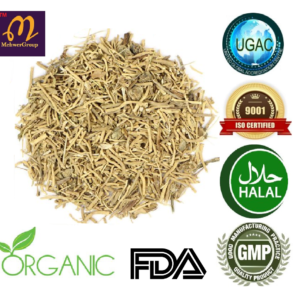
 Organic Valerian Root Tea







Reviews
There are no reviews yet.