Red Clover, scientifically known as Trifolium pratense, is a perennial herb widely recognized for its distinctive purple-pink flowers and long-standing use in traditional herbal practices. Growing naturally in many temperate climates, it has earned a reputation as one of the world’s earliest cultivated crops. Often called purple clover, sweet clover, trifolium, or cow clover, this resilient plant has been valued for generations due to its therapeutic properties, especially related to skin and hormonal health.
One of the most notable qualities of Red Clover is its naturally high concentration of phytoestrogens. These plant-based compounds mimic certain functions of estrogen in the body. In recent years, modern science has isolated isoflavones from the plant that closely resemble estrogen in both shape and activity. Because of this, Red Clover has been widely explored for its potential benefits in supporting reproductive health and easing symptoms related to menopause.
Traditionally, Red Clover has been applied topically to help soothe conditions like psoriasis and to support the healing of minor skin wounds. Its calming and restorative nature makes it a preferred herbal option for external use. Internally, it is often consumed as a tea, offering a mild, earthy flavor and a range of potential benefits.
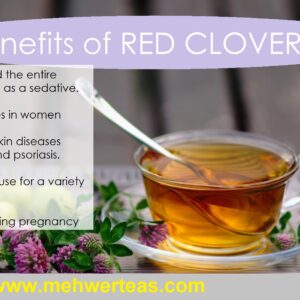
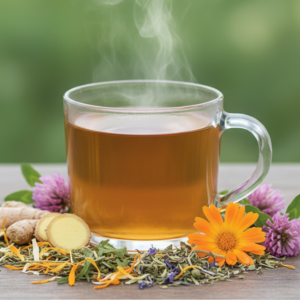
Red Clover Tea is commonly prepared by steeping one tablespoon of dried or fresh blossoms in a cup of hot water. It is typically enjoyed up to three times a day. Herbal practitioners have long used this tea for various purposes, many of which relate to circulatory health, hormonal balance, and inflammatory conditions. Some believed benefits include easing premenstrual discomfort, supporting healthy cholesterol levels, and assisting with the flow of blood through arteries and veins. It may also help slow age-related bone loss linked to osteoporosis and contribute to efforts to manage certain infections or inflammatory issues.
There is also historical reference to Red Clover being used in the natural treatment of tuberculosis and some sexually transmitted infections, such as syphilis. While such uses are part of traditional herbal knowledge, they should not replace professional medical care.
Because Red Clover contains phytoestrogens, it is not suitable for everyone. Individuals who are advised to avoid estrogen supplements should not take Red Clover without consulting a healthcare professional. Excessive consumption may lead to complications, including potential effects on fertility, miscarriage risk, and growth concerns. Anyone taking birth control pills or those with a history of heart disease or stroke should also seek medical advice before using Red Clover supplements.
Overall, Red Clover remains a respected herb in the world of natural wellness. Whether enjoyed as a soothing tea or used externally for skin support, it offers a gentle yet notable presence in traditional herbal care when used responsibly and in moderation.

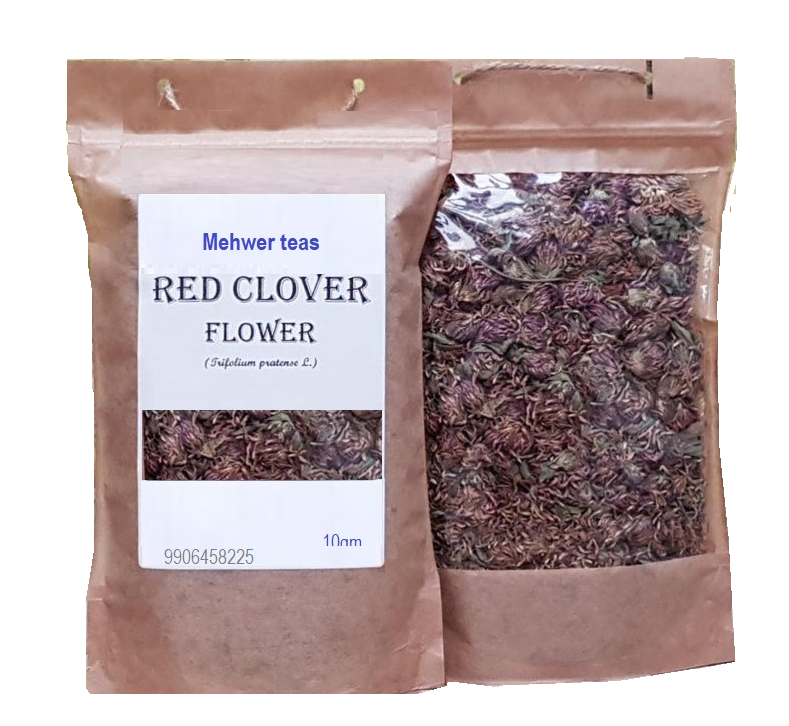
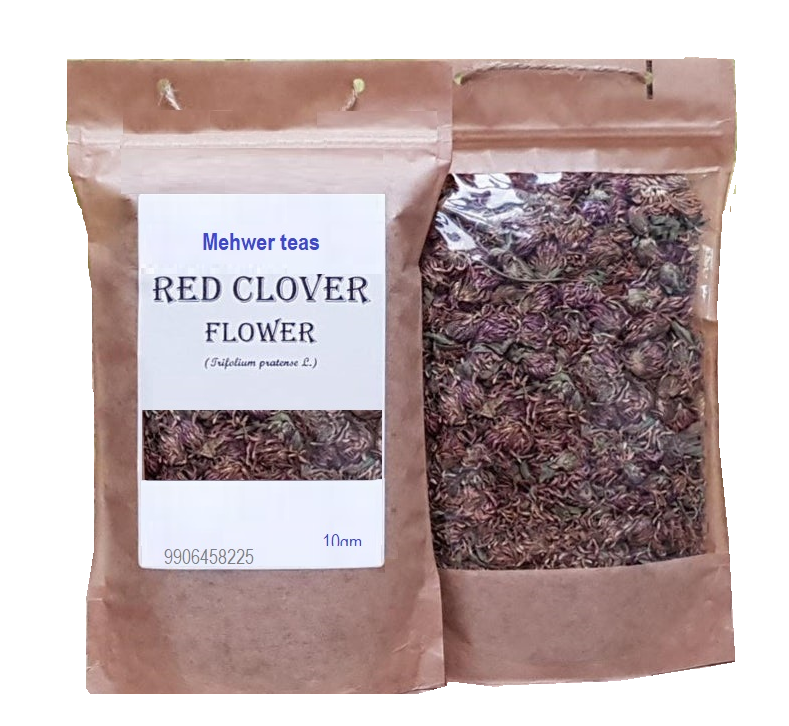
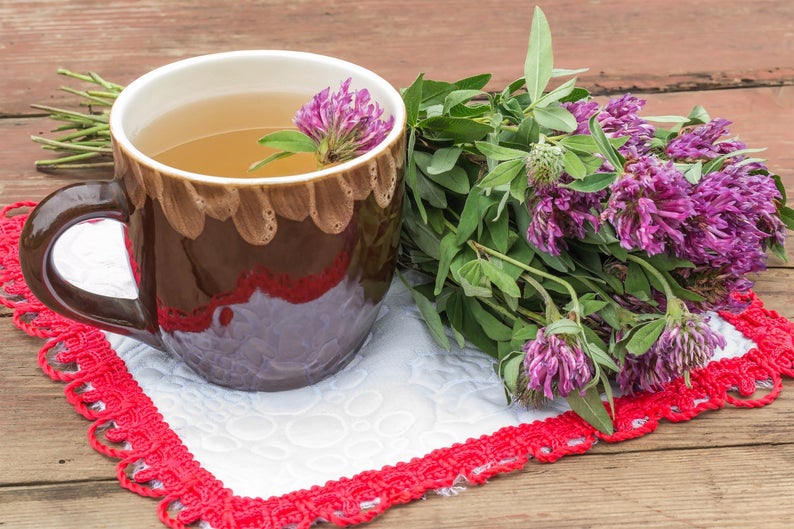
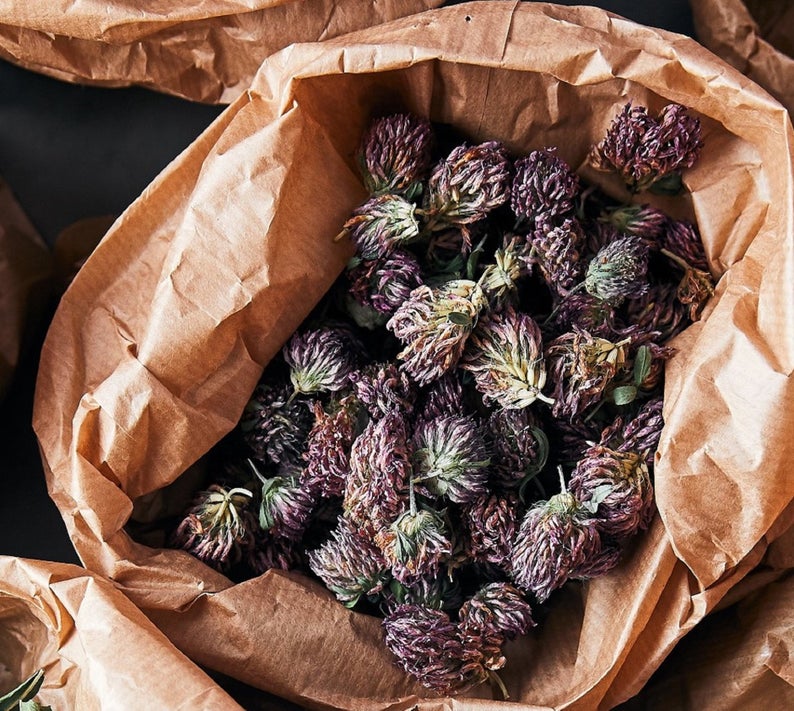


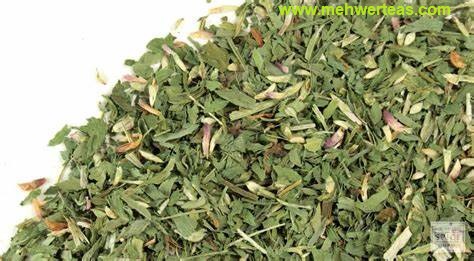
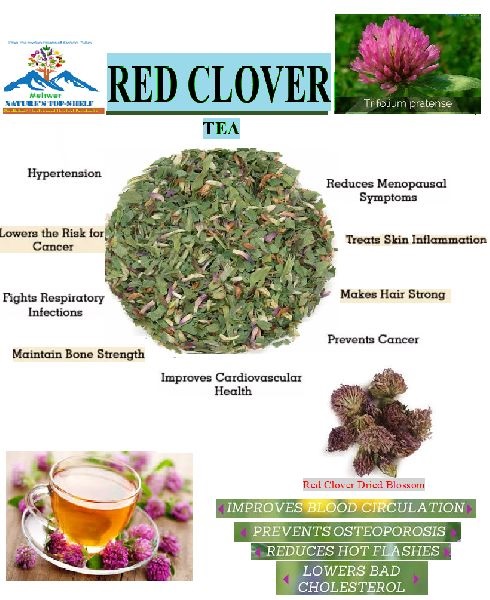
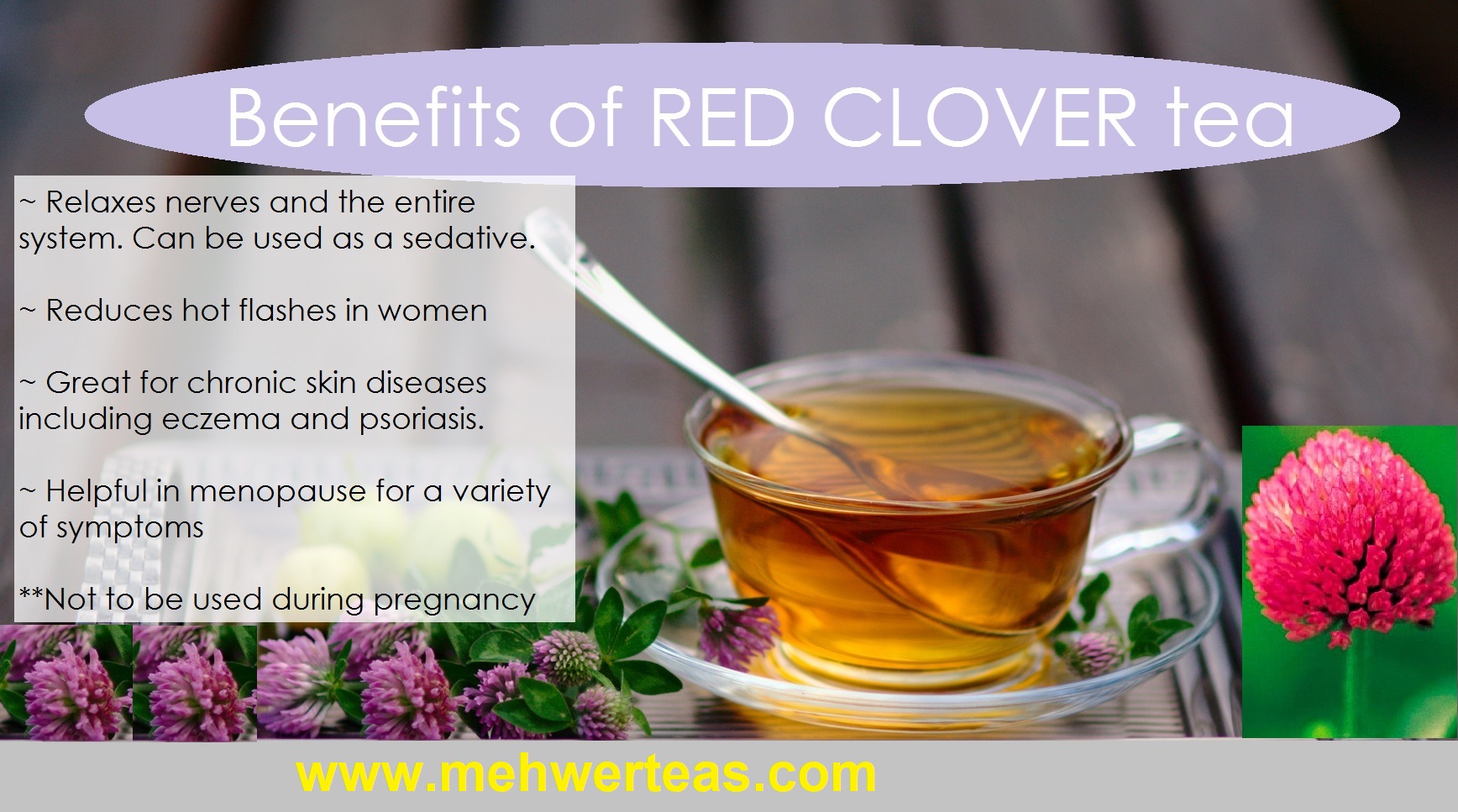

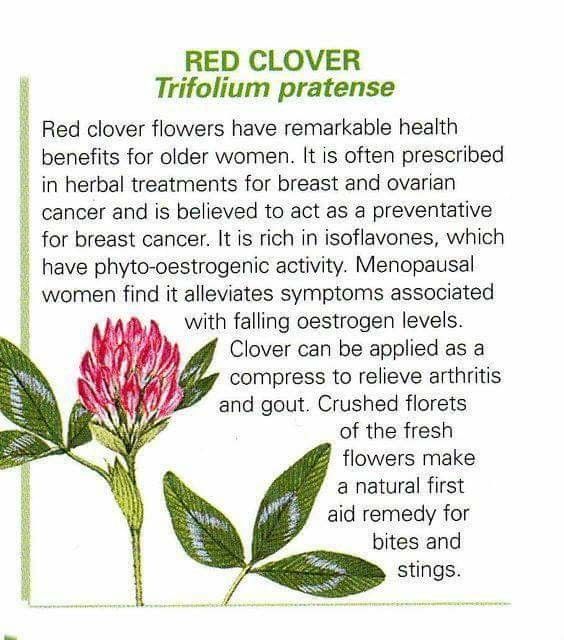
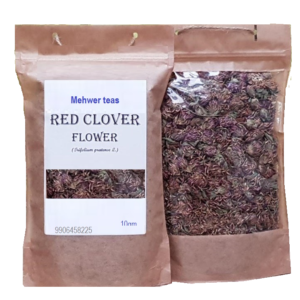
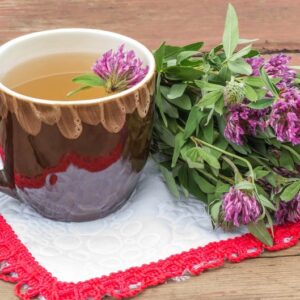
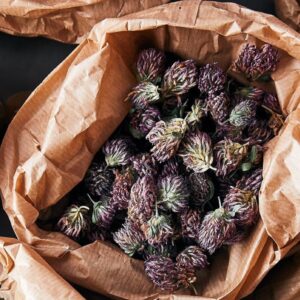


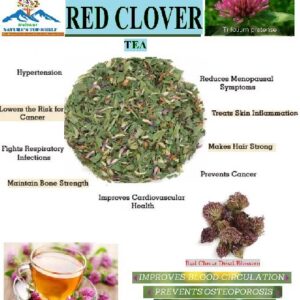


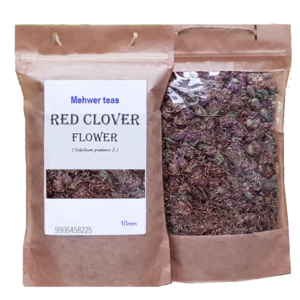 Organic red clover Blossom tea







Reviews
There are no reviews yet.