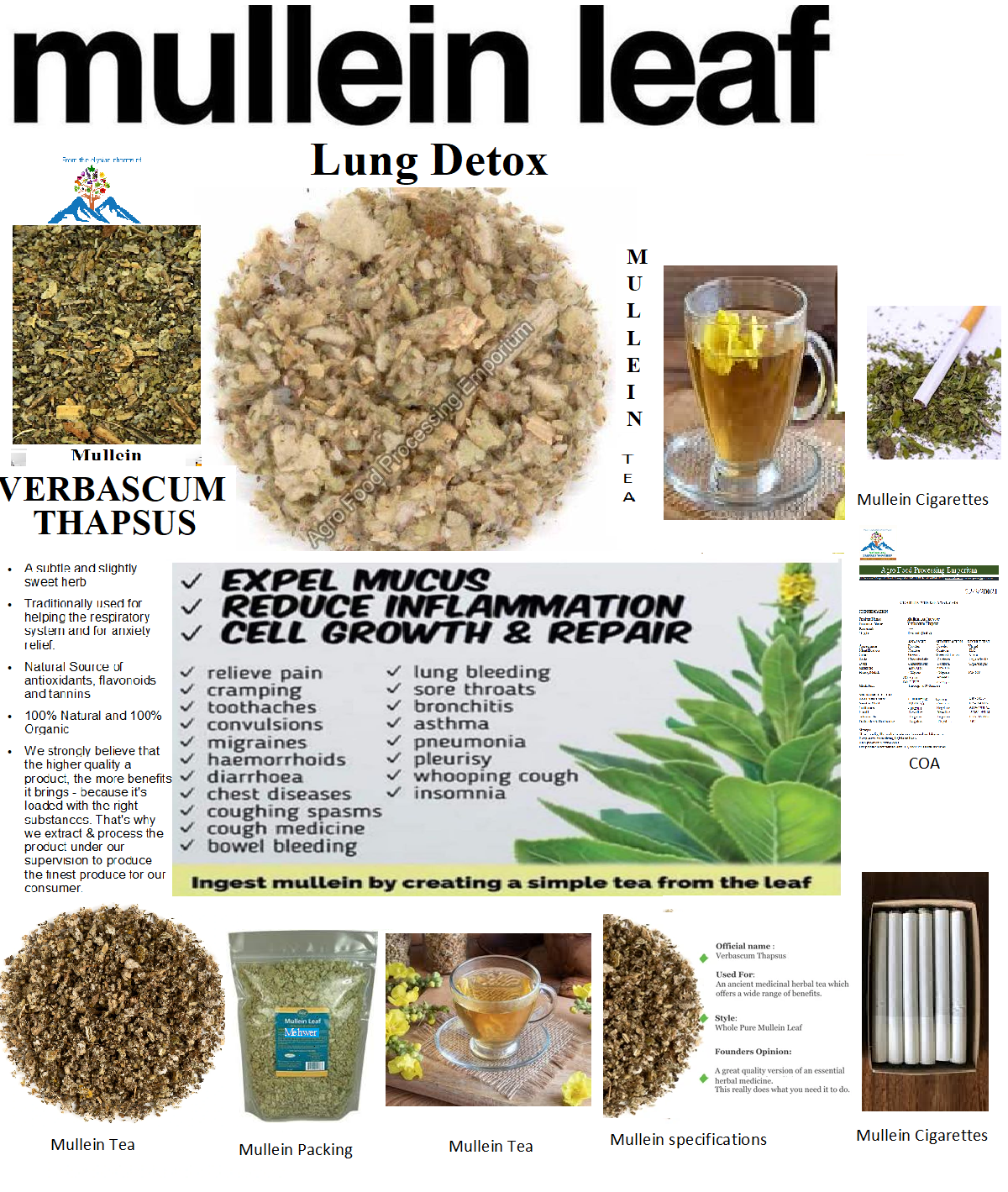
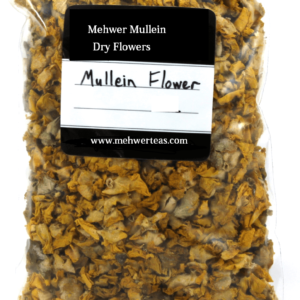
Mullein, known by numerous folk names including Aaron’s rod, Flannel plant, Velvet dock, and Wild ice leaf, is a medicinal herb whose flowers are primarily used for therapeutic purposes. This plant contains beneficial compounds such as saponins, flavonoids, iridoid glycosides, vitamin C, and minerals.
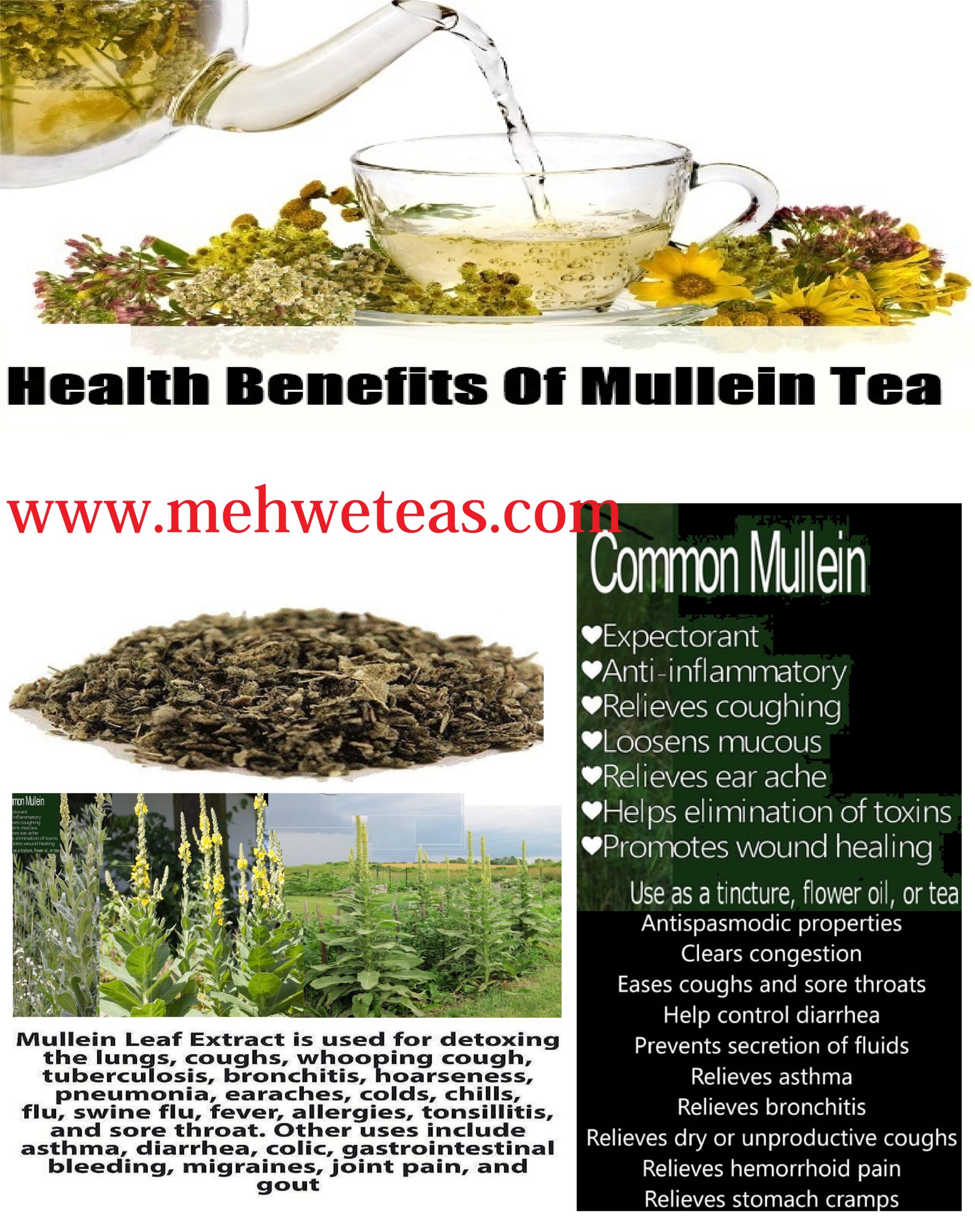
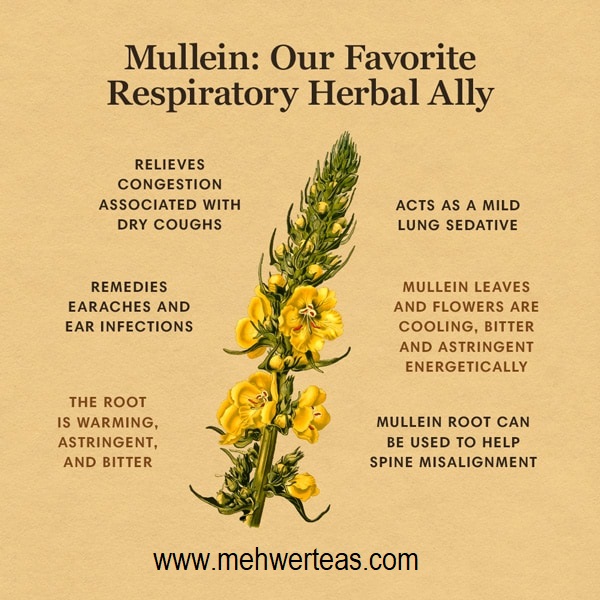
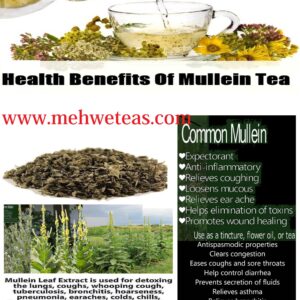
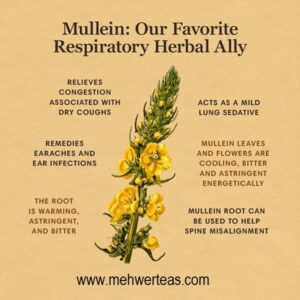
Medicinally, mullein addresses respiratory conditions including coughs, bronchitis, asthma, pneumonia, and tuberculosis. It also treats earaches, sore throats, colds, and flu symptoms. Additional applications include managing digestive issues like diarrhea and gastrointestinal bleeding, as well as relieving migraines, joint pain, and gout. The herb functions as both a sedative and diuretic. Topically, mullein leaves treat wounds, burns, hemorrhoids, bruises, frostbite, and skin infections while softening and protecting skin.
The plant’s chemical compounds demonstrate antiviral properties against influenza and herpes viruses, plus antibacterial effects against respiratory infection-causing bacteria. In commercial applications, mullein serves as a flavoring agent in alcoholic beverages.
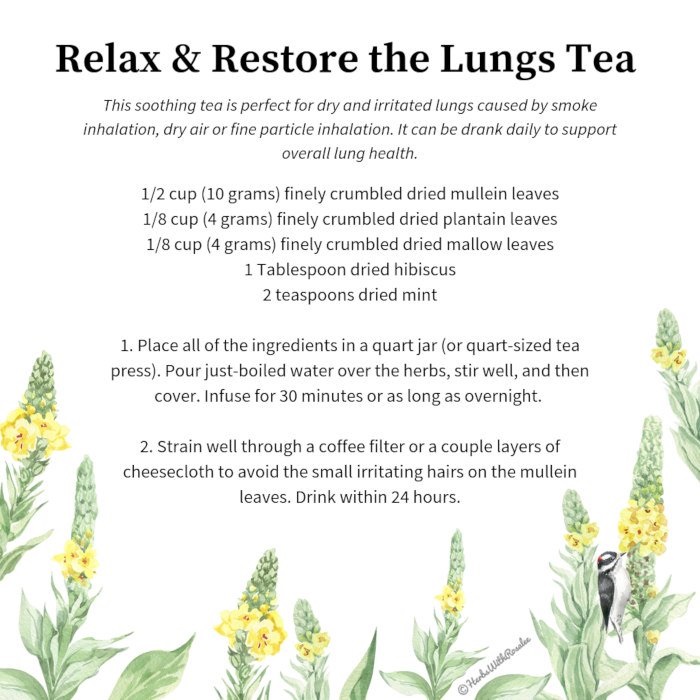
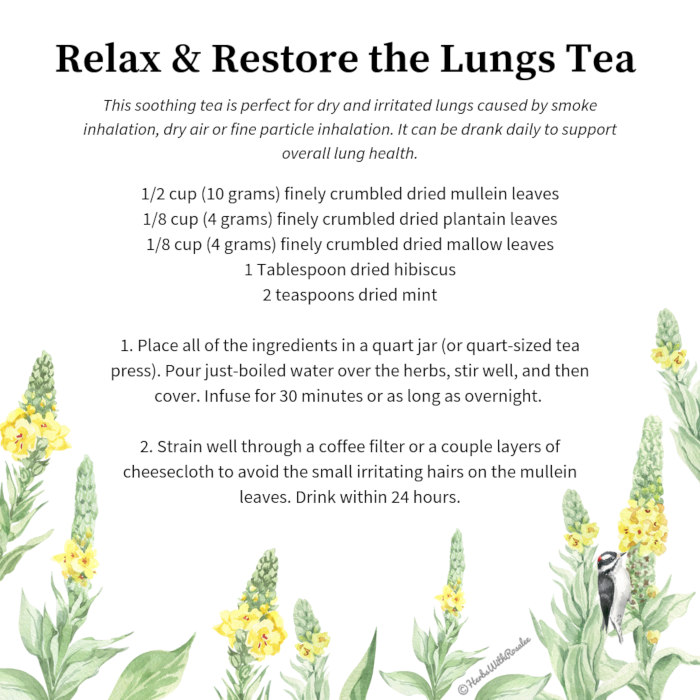
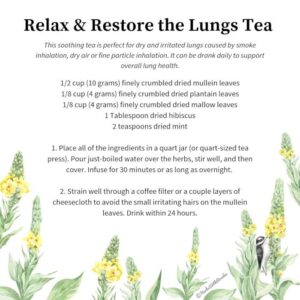
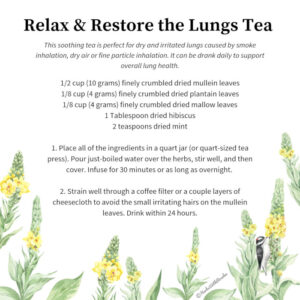
Mullein tea, prepared by steeping dried leaves and flowers in boiling water for approximately five minutes, releases active components including mucilage, flavonoids, sterols, and sugars. This herbal infusion provides multiple health benefits: treating respiratory ailments, addressing urinary tract problems including hematuria, potentially relieving diarrhea, promoting sleep and calming nerves, purifying blood, eliminating intestinal parasites, managing allergies, and providing hemorrhoid relief.
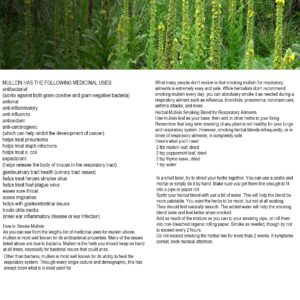
The herb’s medicinal properties include antibacterial, antiviral, anti-inflammatory, antioxidant, and anti-carcinogenic effects. It functions as an expectorant, helping clear respiratory mucus, while its antispasmodic properties suppress muscle spasms. As a demulcent and emollient, mullein moisturizes and soothes inflamed mucous membranes. It effectively treats various conditions from staph and E. coli infections to genitourinary issues and ear infections.
Traditionally, mullein has been used for lung health through various methods, including smoking, which historically helped tuberculosis patients control coughing. However, non-smoking preparations like tinctures and teas are recommended for those with respiratory issues.
“`

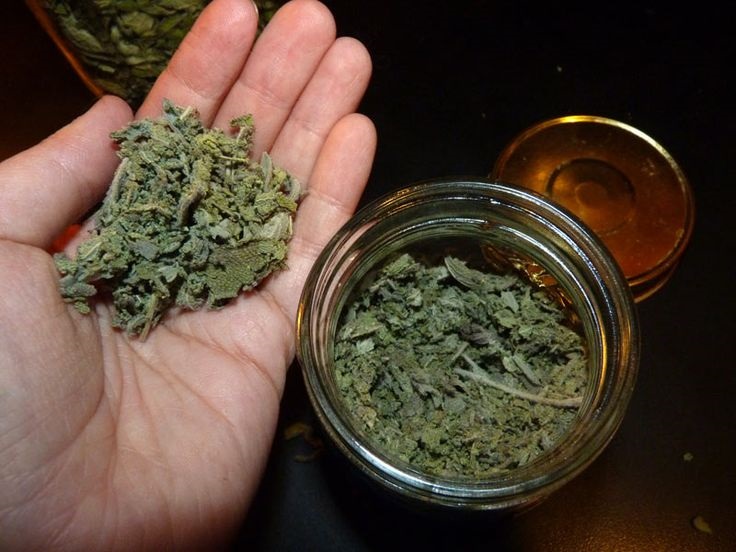
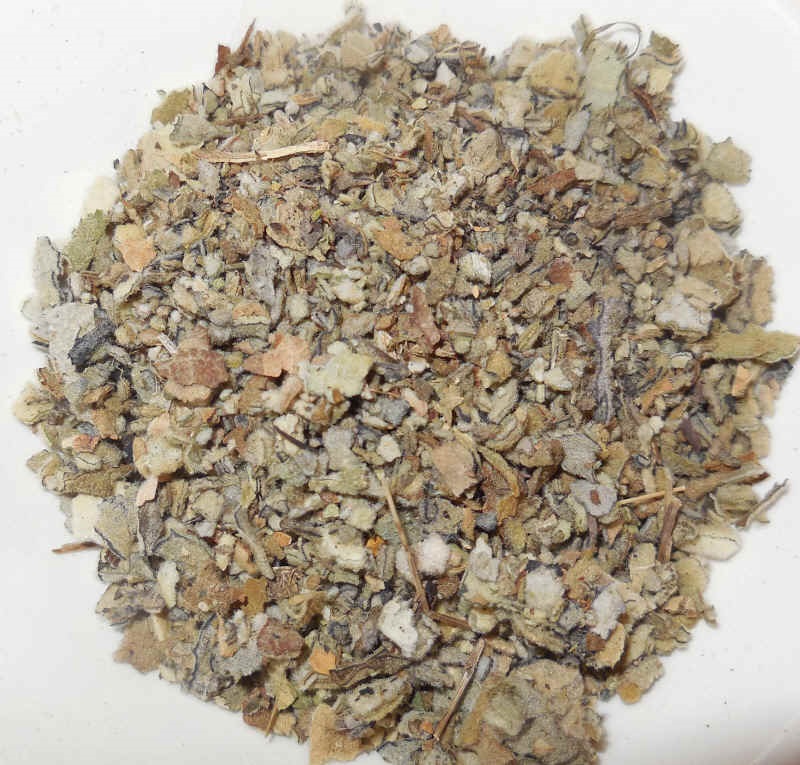
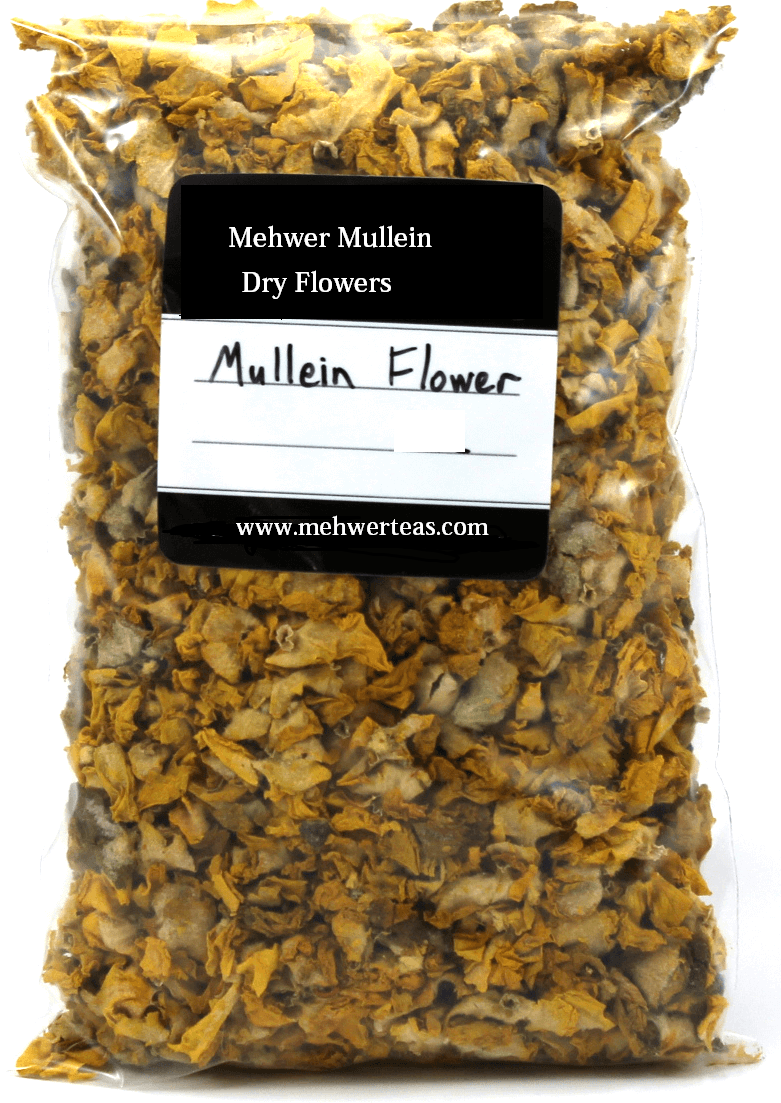
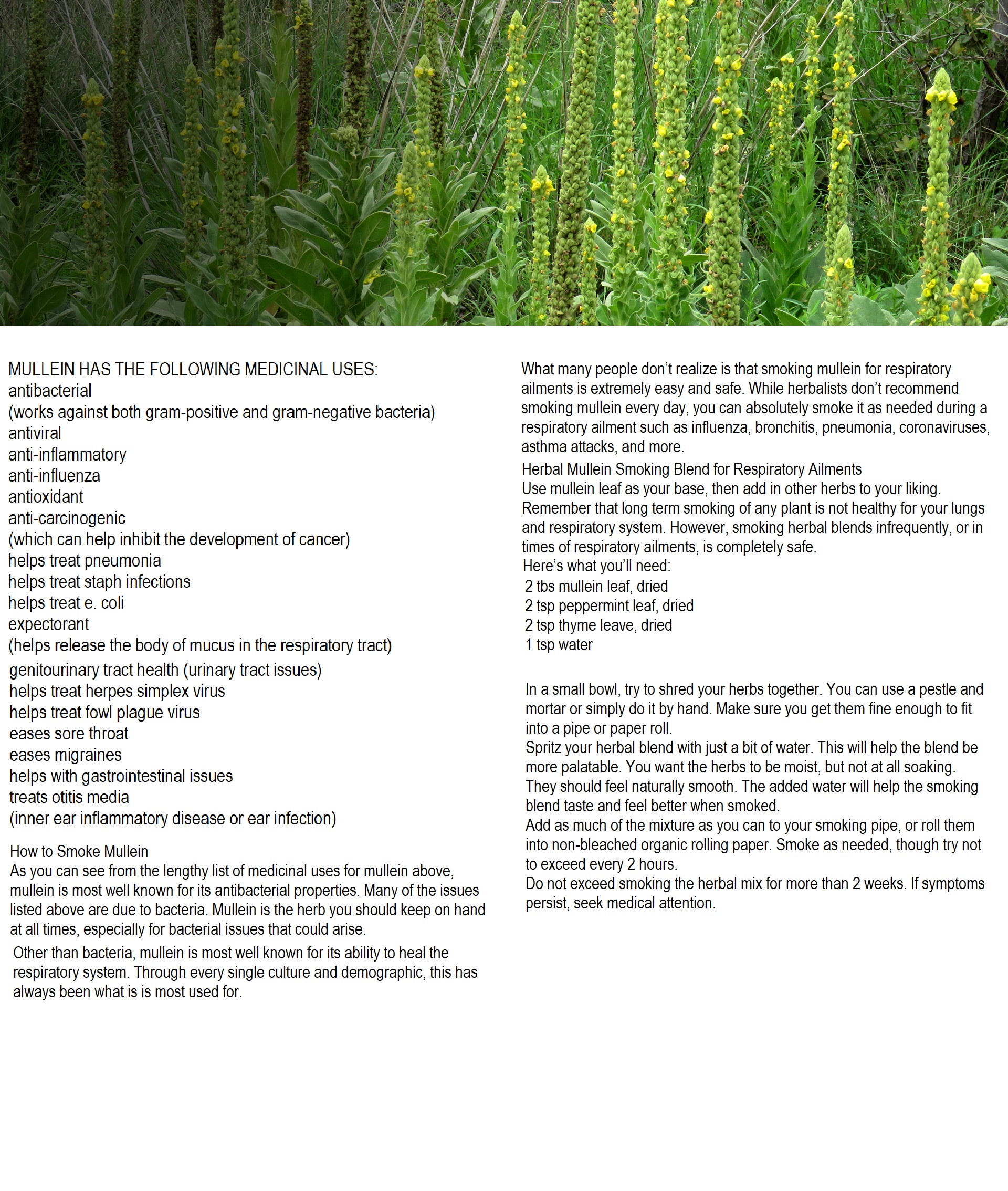


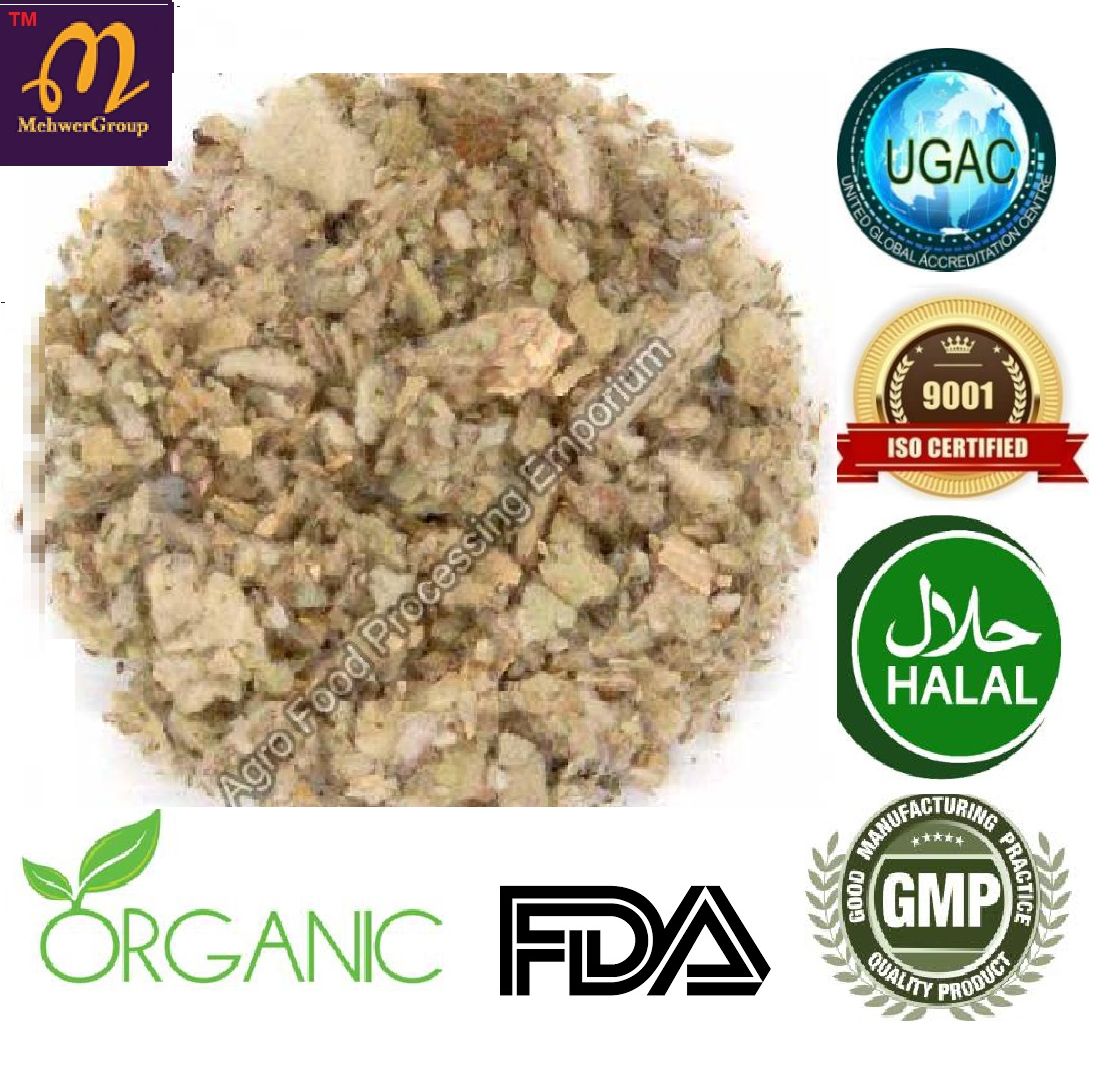





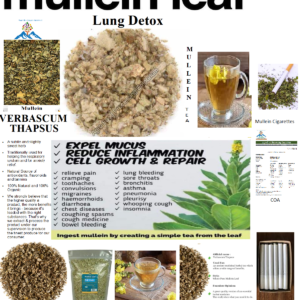 Organic Mullein herb








Reviews
There are no reviews yet.