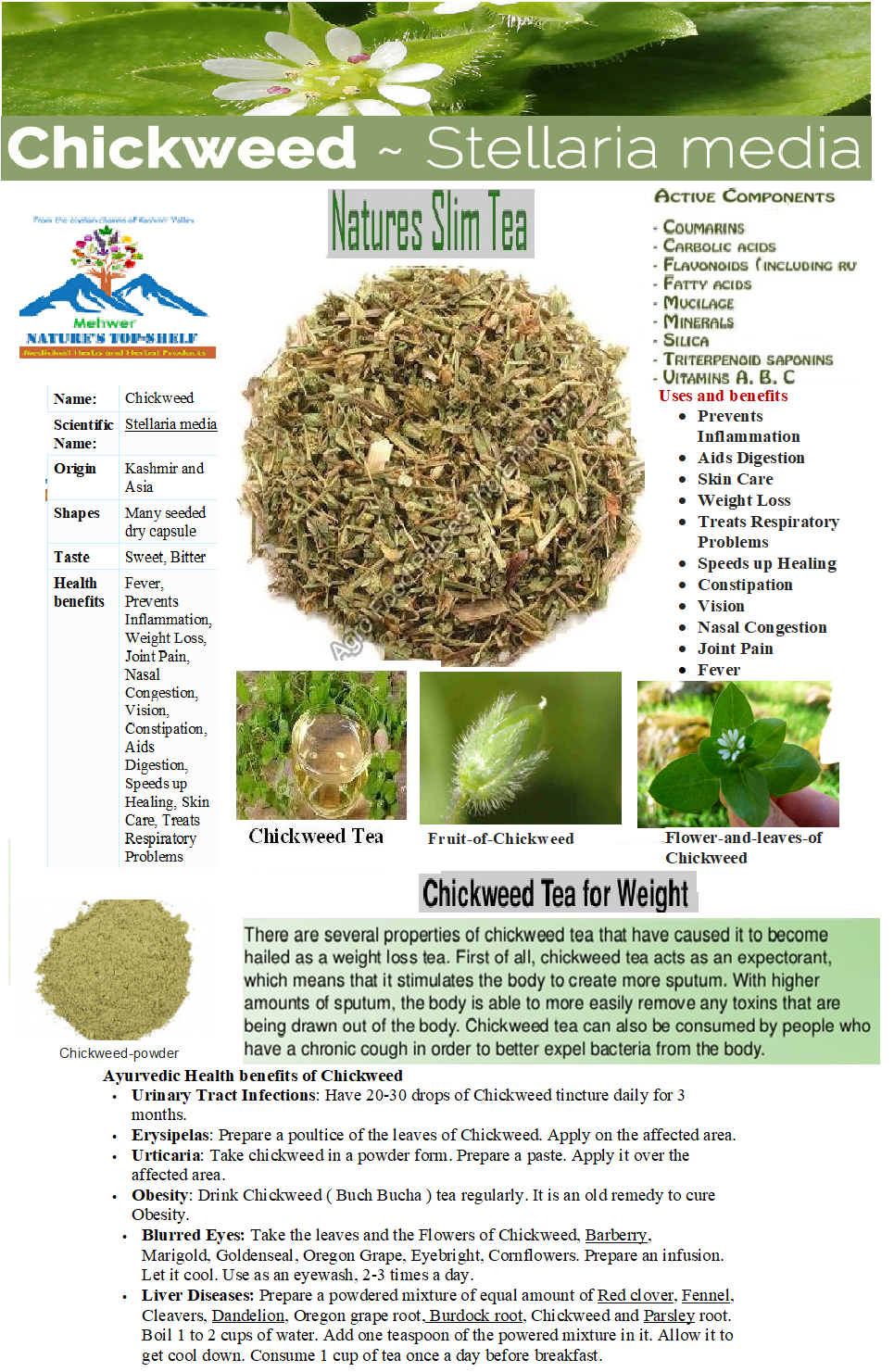
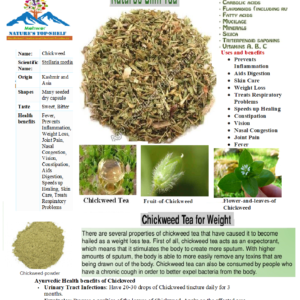
Chickweed (Stellaria media) is a gentle yet powerful herb recognized for its wide range of health benefits. Commonly found across fields, gardens, and backyards, chickweed thrives in cool climates and grows low to the ground with soft green leaves and small, star-shaped white flowers. Although it appears like a simple weed, it is one of the most nutrient-dense plants available in nature.
Fresh chickweed is rich in essential nutrients including vitamin C, beta-carotene, calcium, magnesium, potassium, selenium, zinc, and various flavonoids. Surprisingly, chickweed contains far more minerals than many store-bought greens: twelve times more calcium than spinach, five times more magnesium, and significantly higher levels of vitamin C and iron. This nutrient density contributes to its energizing and restorative effects. Because it spoils quickly, chickweed is best consumed fresh, often added to salads or smoothies.
Traditionally, chickweed has been valued for its soothing and cooling properties. It has long been used to help with skin issues such as acne, rashes, eczema, psoriasis, minor burns, insect bites, splinters, and irritated tissues. When used as a compress or in salves, chickweed helps calm inflammation, ease itching, and support natural healing. It is also known to soothe hemorrhoids and varicose veins.
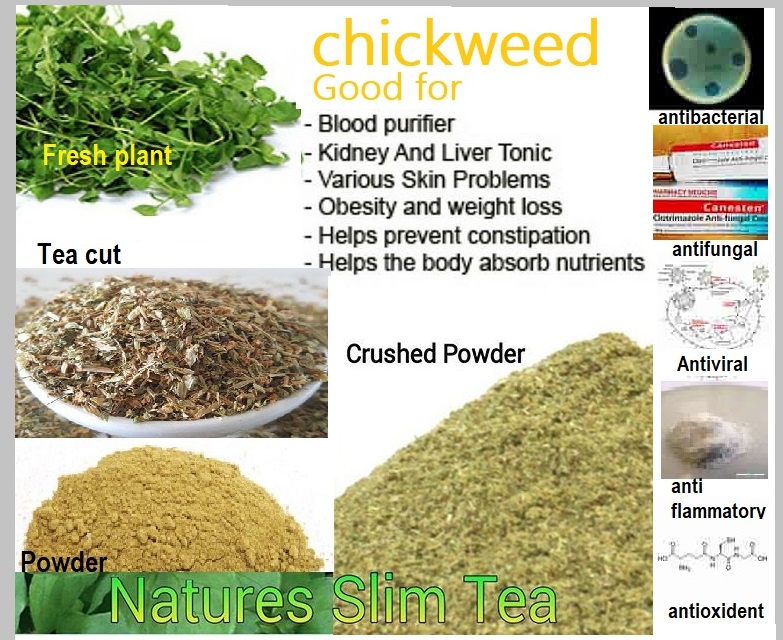
Beyond skin care, chickweed is respected for its internal benefits. It acts as a natural blood purifier and supports the liver and kidneys in eliminating toxins. The herb contains steroidal saponins—compounds that foam when mixed with water. These saponins help break down thickened mucus, reduce inflammation, and increase the permeability of tissues. Because of this, chickweed has been traditionally used to dissolve congested or hardened tissues, including cysts, fibroids, swollen glands, and thickened membranes. It also enhances nutrient absorption in the digestive tract.
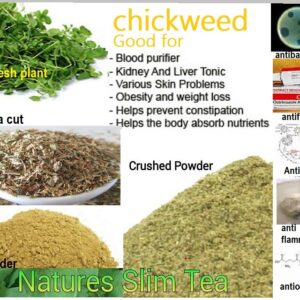
Chickweed tea is especially valued for digestive support. It acts as a mild laxative and diuretic, helping relieve constipation, reduce water retention, and support healthy metabolism. Many people use it to aid weight loss because it helps cleanse the system, reduce bloating, and naturally suppress appetite. Its cleansing action also supports smoother circulation and may help reduce plaque buildup in the arteries.
For respiratory health, chickweed tea helps calm inflammation in the throat and lungs. It may ease coughing, soothe irritation, and support recovery from mild infections. Some studies suggest that chickweed’s anti-inflammatory compounds may help reduce the size of fibroids and support tissue healing.
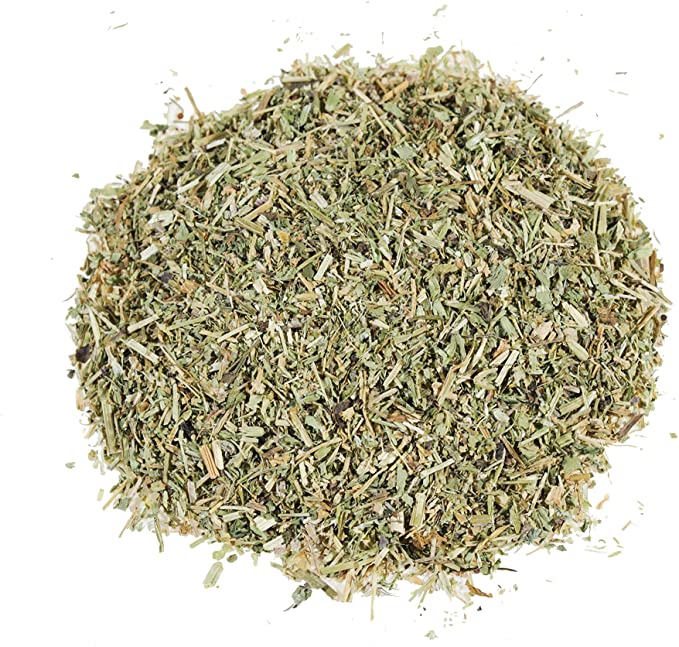
Chickweed tea can be enjoyed internally or applied externally. To prepare it, steep one teaspoon of dried chickweed or two teaspoons of fresh leaves in hot water for about 15 to 20 minutes. The tea has a mild taste and is easy to blend with other herbs.
While generally considered safe, pregnant women or individuals with medical conditions should consult a healthcare professional before regular use.
Overall, chickweed is a versatile herb that supports detoxification, healthy digestion, weight management, skin healing, and nutrient absorption. Its gentle nature and impressive nutrient profile make it a valuable addition to natural wellness routines.





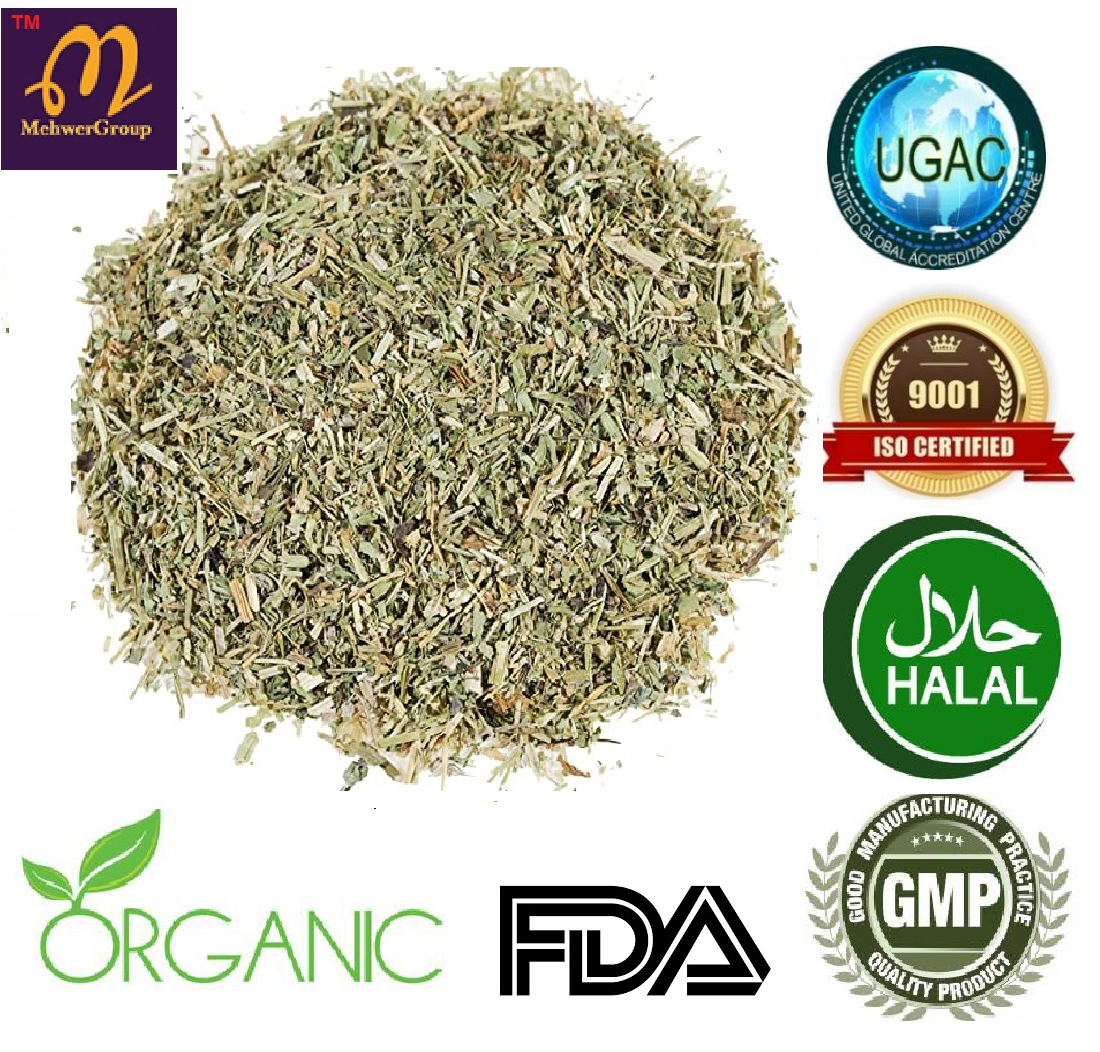




 Organic Chickweed – Slim...









Reviews
There are no reviews yet.