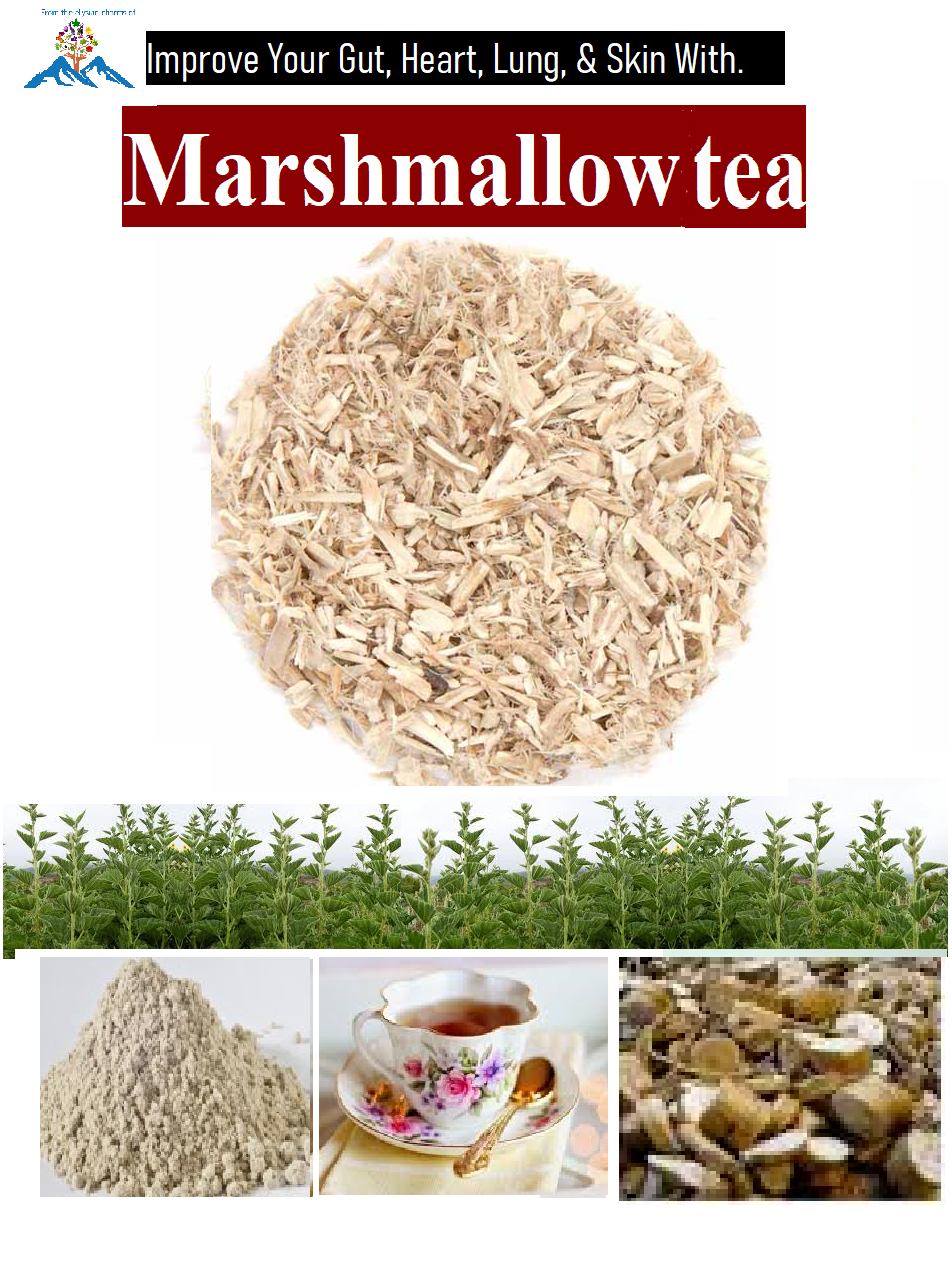
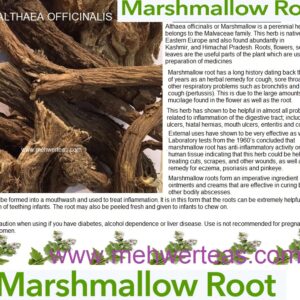
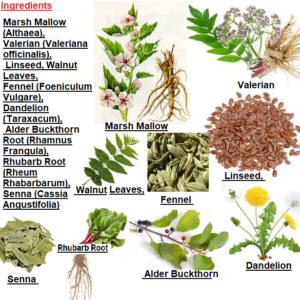
Marshmallow (Althaea officinalis) is a well-known medicinal plant with a long history of use for soothing irritated tissues. Both its leaves and roots are valued for their high mucilage content, a gel-like substance that forms a protective coating over inflamed surfaces. This makes the herb especially helpful for conditions involving dryness, soreness, and swelling of the respiratory, digestive, and urinary tracts.
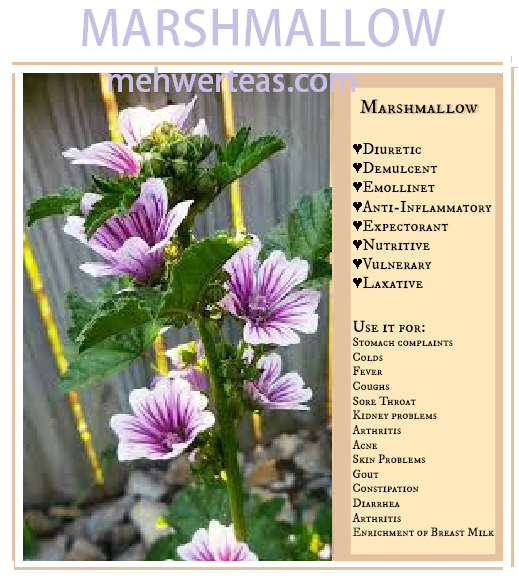
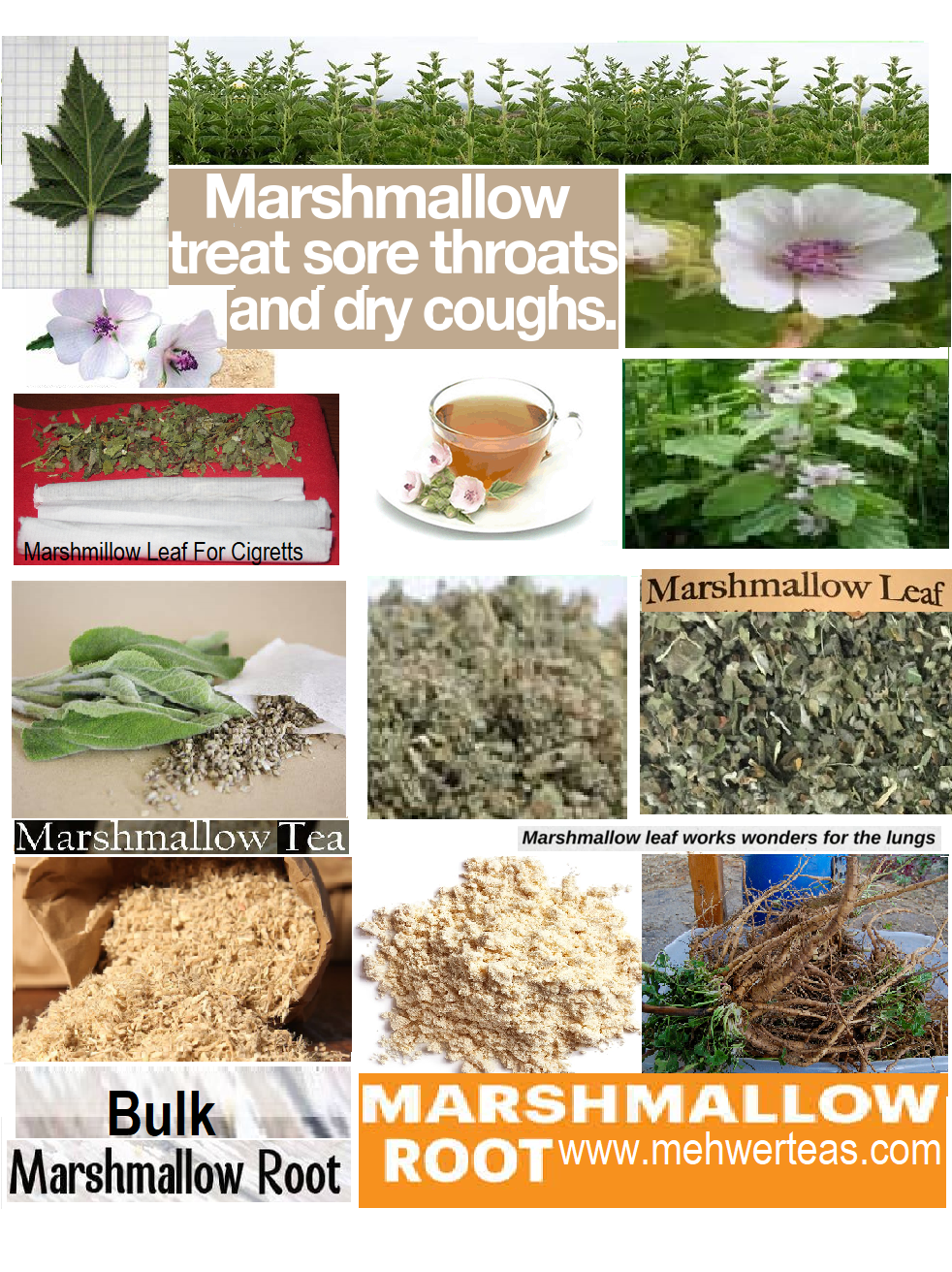
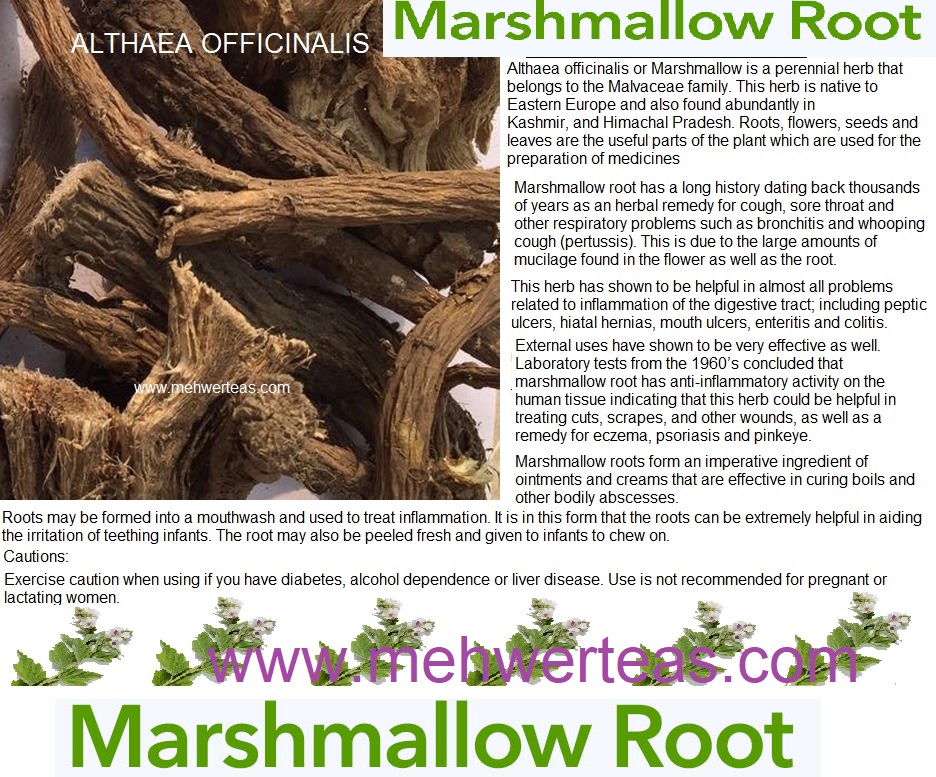
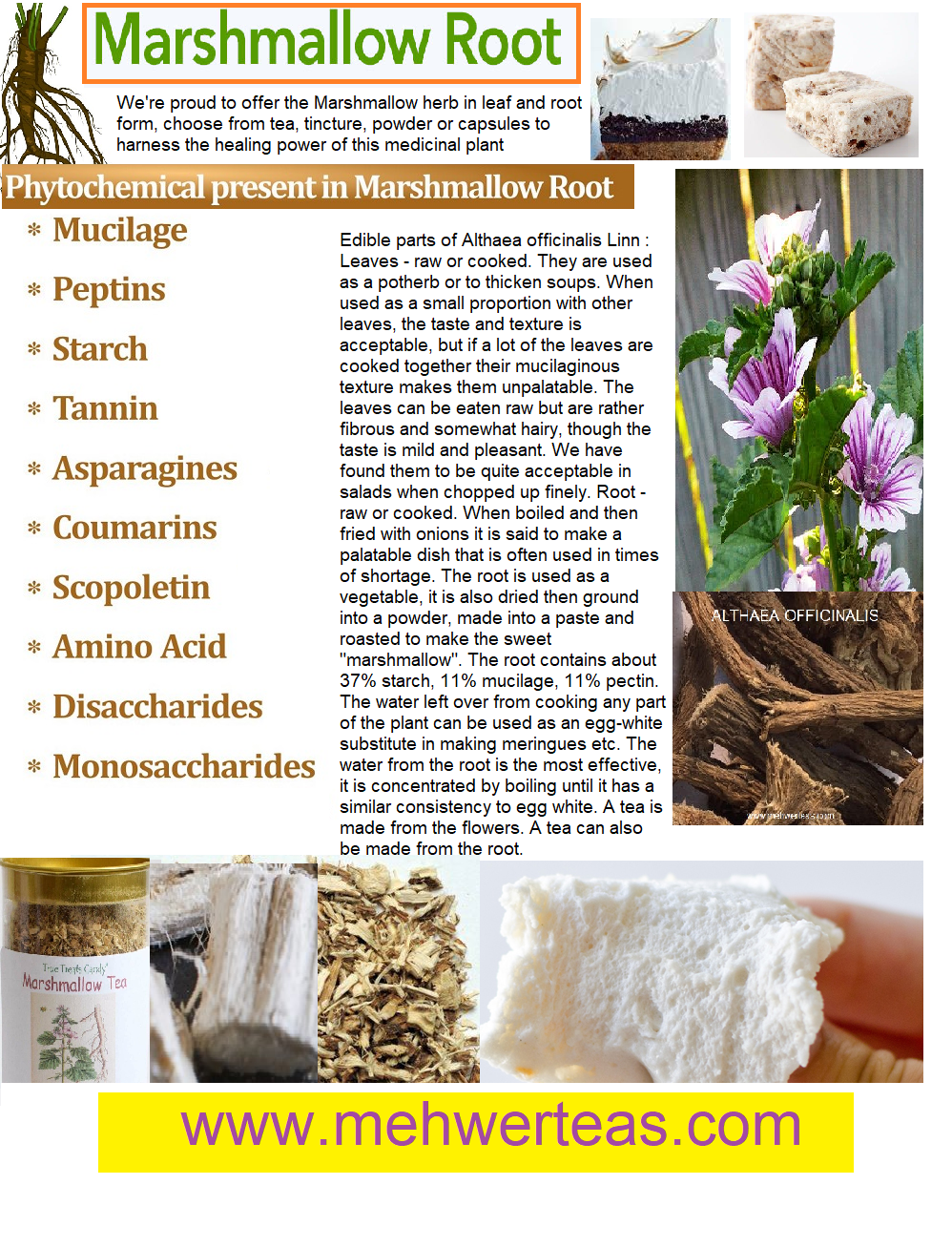
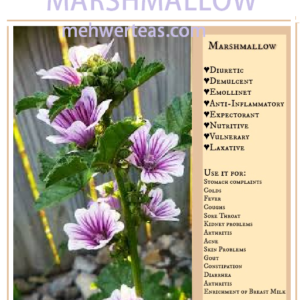
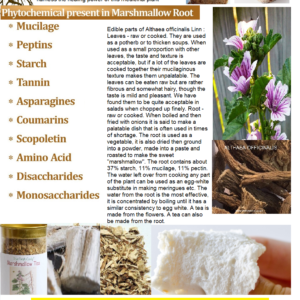
The plant itself grows up to four feet tall and features wooly, unbranched stems. Its rounded leaves have three to five lobes and a thick texture. Marshmallow flowers appear in shades of white, pink, or purple and measure about two inches across. The root is white, rich in mucilage, and contains compounds such as asparagine, flavonoids, tannins, phenolic acids, and natural sugars. These constituents work together to deliver the herb’s demulcent, emollient, diuretic, and expectorant properties.
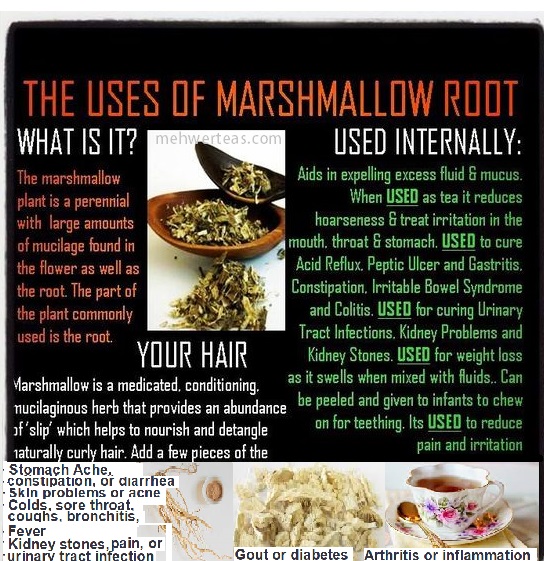
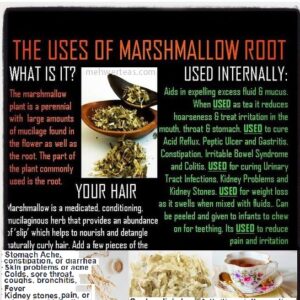
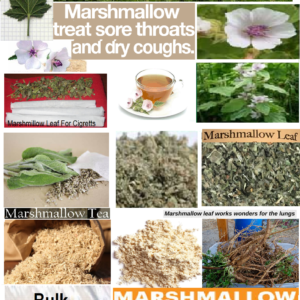
Traditionally, marshmallow has been used to ease dry cough, sore throat, bronchial irritation, and inflammation of mucous membranes lining the respiratory tract. By coating these tissues, it reduces friction, calms irritation, and supports natural healing. In the digestive system, marshmallow root is often used for gastritis, ulcers, colitis, and general stomach discomfort. It may also help soothe diarrhea or constipation by regulating moisture and reducing inflammation.
The herb is also valued for urinary tract support. Marshmallow leaf tea has a mild diuretic effect, which may help flush out kidney stones, ease urinary tract infections, and reduce discomfort linked to inflammation of the bladder or urethra.
Externally, both the leaf and root can be applied as poultices for insect bites, abscesses, burns, and skin ulcers. Marshmallow root is commonly included in ointments for chapped skin or swelling caused by cold exposure. Its ability to create a barrier on the skin helps protect wounds while promoting moisture balance.
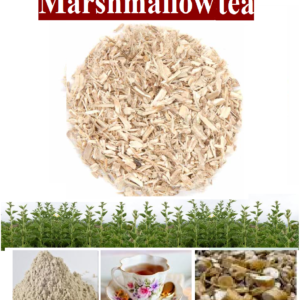
Preparing marshmallow tea is simple. For the leaves, steep a handful in hot water for about 7 to 10 minutes. For the root, boil around 25 grams in one liter of water and simmer for the same duration. These teas may be taken up to three times daily depending on the desired effect.
Because marshmallow coats and protects delicate tissues, it may also help decrease cough, support healing of internal wounds, and calm digestive inflammation. Some traditional uses also include increasing breast milk supply and supporting general immune comfort.
Overall, marshmallow leaf and root remain trusted natural remedies for a wide range of issues related to inflammation, dryness, and irritation. Their gentle action makes them suitable for soothing both internal and external conditions, while centuries of use highlight their value in herbal medicine.








 Marsh Mallow








Reviews
There are no reviews yet.