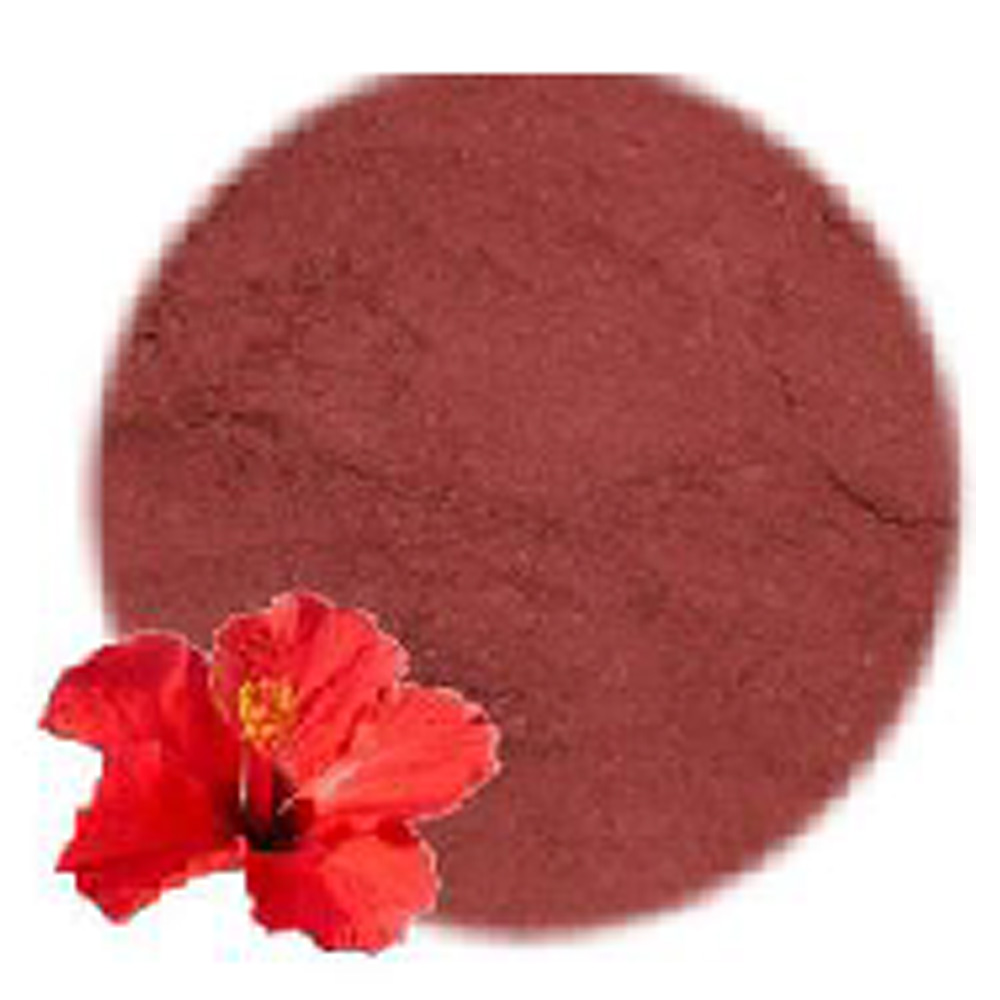
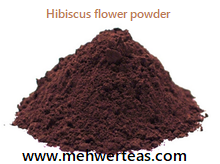
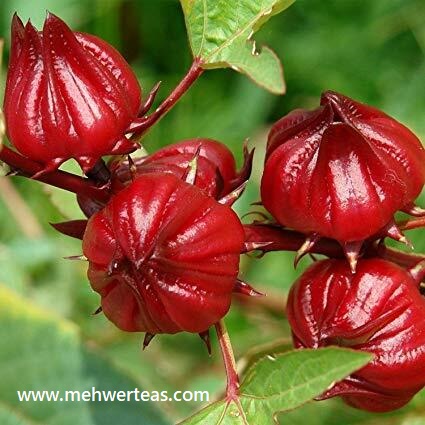
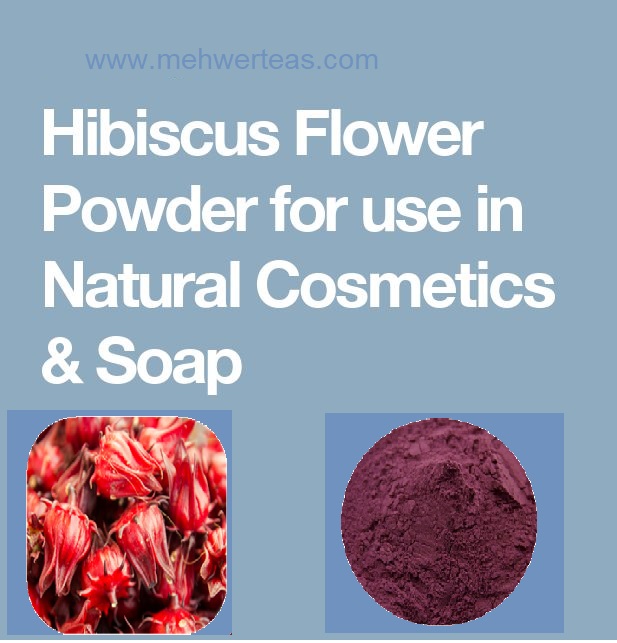
Hibiscus Flower Powder, derived from Hibiscus sabdariffa, has been used for centuries in traditional wellness, beauty care, and natural formulations. Known for its striking red pigment and impressive nutrient profile, hibiscus has found its place in both herbal medicine and modern cosmetic applications. Its oral use spans a wide spectrum of benefits, including support for hypertension, cardiovascular conditions, anxiety, high cholesterol, and digestive discomfort. It is also used to soothe inflammation of the stomach lining, assist with upper respiratory issues, provide gentle laxative and diuretic support, and help dissolve excess phlegm. These broad uses speak to the plant’s strong therapeutic reputation.
In beverages and foods, hibiscus powder is commonly used as a natural flavoring agent. Its tangy, refreshing profile enhances the taste and appearance of teas, blends, and herbal mixtures. Many commercial tea brands rely on hibiscus to boost both aroma and color. When consumed, hibiscus is known for its cooling effect and its ability to support general wellness.
There is a minor interaction noted between hibiscus powder and acetaminophen (Tylenol). Some studies suggest that drinking hibiscus beverages before taking acetaminophen may slightly reduce the medicine’s elimination half-life. However, hibiscus does not affect the overall concentration or absorption of acetaminophen. While this interaction is classified as minor, it is still recommended to use caution when combining the two.
Beyond its internal benefits, hibiscus powder is widely used in natural cosmetics. It is especially loved for its natural red pigment, which can be released by infusing the flowers or powder in oil. This pigment makes hibiscus a popular choice for lip balms, tinted creams, soaps, and other products that aim for clean, plant-based color.
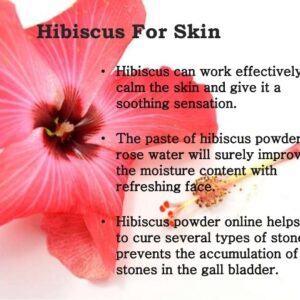
In skincare, hibiscus is gentle yet effective. It contains antioxidants, amino acids, and unique oligopeptides that help refine skin texture and reduce the appearance of fine lines. When incorporated into facial masks, it provides soothing, toning, and softening effects. It is also known to support a more even complexion and maintain healthy moisture balance. Hibiscus-infused lotions, creams, and ointments benefit from its ability to calm and nourish the skin naturally.
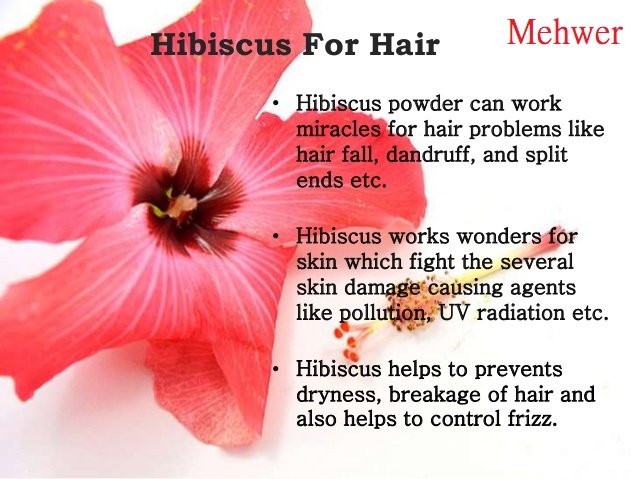
Hibiscus is equally popular in haircare. It is often added to shampoos and conditioners to help thicken hair, minimize hair fall, and reduce dandruff. Many baby shampoos and washes include hibiscus because of its mild cleansing properties. When infused in hair oils or conditioners, it helps strengthen roots and maintain scalp health.
In soap making, hibiscus can be used as both a colorant and a skin-benefiting additive. Ground hibiscus or hibiscus-infused oils bring natural pink or red tones to melt-and-pour or cold-process soaps, while also contributing soothing botanical properties. It blends well into bath teas, bath bombs, massage oils, and herbal body care products.
Candle makers can use dried hibiscus flowers as decorative elements. While herbs should never be added to burning candle wax, they are perfectly suitable for hurricane shells, non-burning decorative tarts, or arrangement around pillar candles. Their natural color adds a pleasant visual element to botanical candle designs. Hibiscus is also a great choice for potpourri, offering both beauty and a subtle floral presence.
Sourced from India, this hibiscus flower powder offers purity, versatility, and high quality for every type of formulation. Whether used for wellness, skincare, haircare, soaps, candles, or aromatherapy blends, hibiscus remains one of the most adaptable and valuable botanicals available.








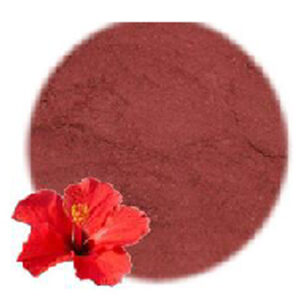 Hibiscus Flowers Powder







Reviews
There are no reviews yet.