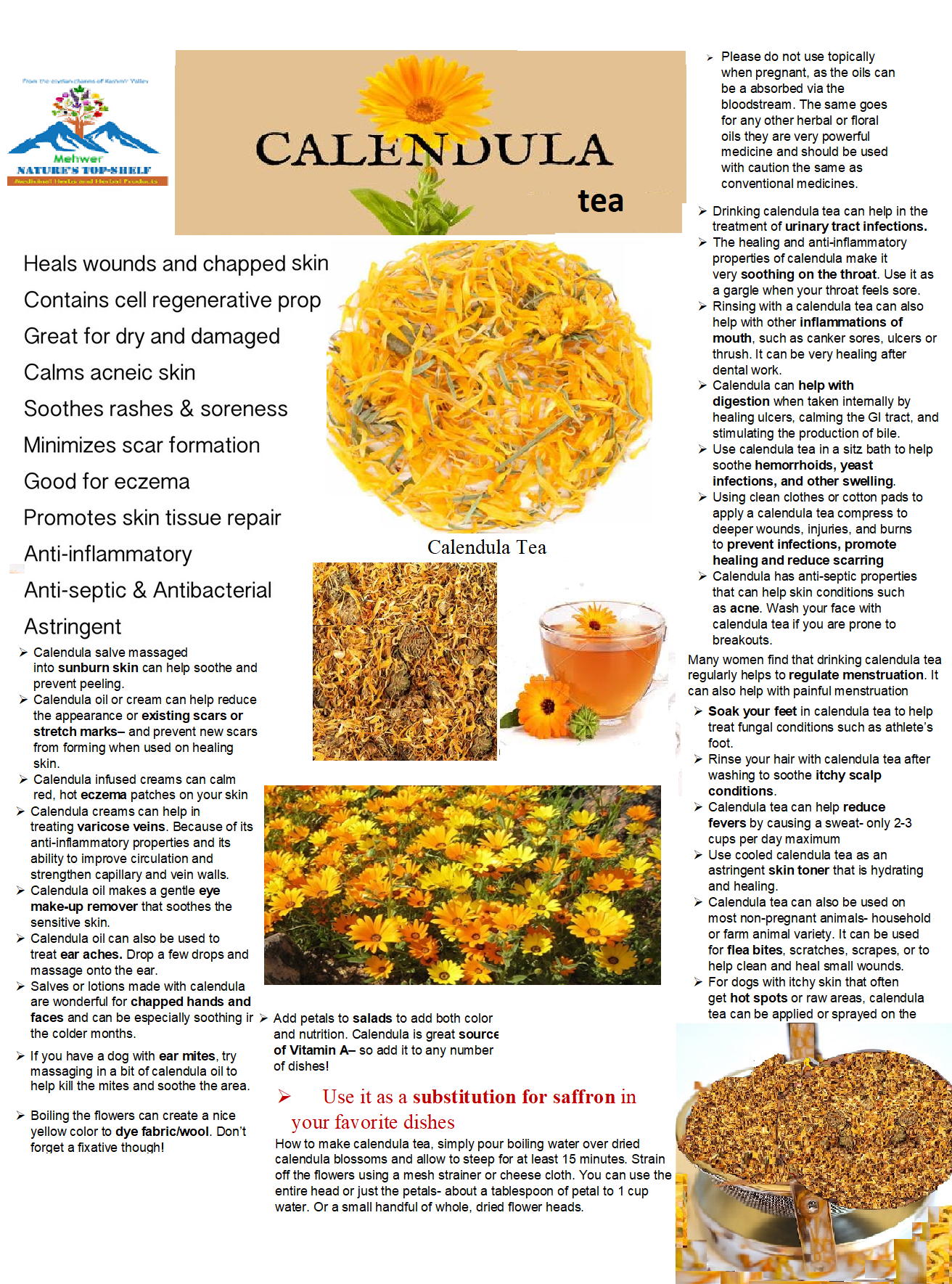
Calendula, also known as Calendula officinalis or marigold, is a highly valued medicinal flower recognized for its strong antibacterial, antifungal and anti-inflammatory qualities. For centuries, it has been used across Europe, the Mediterranean and the Americas as a natural remedy for skin issues, wounds, inflammation and internal discomfort. The FDA approves calendula for use as a spice and as an ingredient in cosmetics, soaps, creams, shampoos and various skin-healing formulations. These benefits come from its active compounds, which include carotenoids, calendulin, isoquercitrin, rutin, sterols, volatile oils and polysaccharides known for supporting immune function.
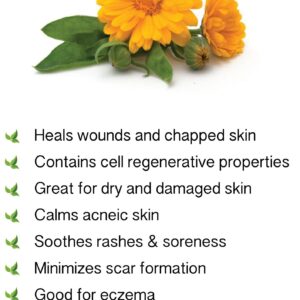
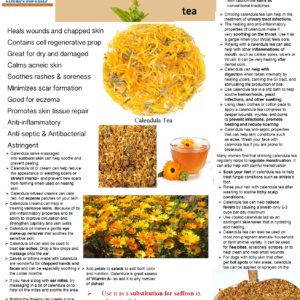
Calendula Flower Whole is commonly applied to the skin to ease pain, swelling and irritation. It is used in the treatment of slow-healing wounds, leg ulcers, minor cuts and burns. Its soothing effect makes it suitable for nosebleeds, varicose veins, hemorrhoids, proctitis and conjunctivitis. The herb is believed to encourage new tissue growth, making it a reliable choice for natural wound care. When used on the face or scalp, calendula helps calm redness, dryness and itchiness, and it is often added to creams and lotions for sensitive or inflamed skin. These same preparations are beneficial for eczema, acne, fungal infections, nappy rash and irritated eyelids.
Internally, calendula has a long reputation for supporting digestive health. An infusion or tincture of the petals may help manage inflammatory conditions like gastritis, colitis and peptic ulcers. The herb is also considered cleansing for the liver and gallbladder. Traditional practitioners use it for jaundice, hepatitis and liver congestion. Because calendula contains compounds that may protect the stomach lining, it is often used for soothing discomfort associated with gastritis, indigestion and ulcer-related issues. Calendula tea may also help limit the effects of bacteria linked to stomach cancer and digestive inflammation.
Calendula is also valued in household and culinary settings. Its bright yellow and orange petals are often added to salads, soups, rice, stews, baked goods and desserts for color and mild flavor. Fresh leaves can also be included in salads. In earlier times, calendula was even used as a coloring agent for cheese and butter. This edible flower serves as both a food ingredient and a herbal supplement.
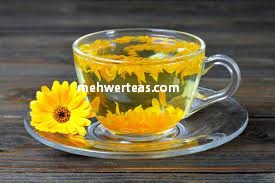
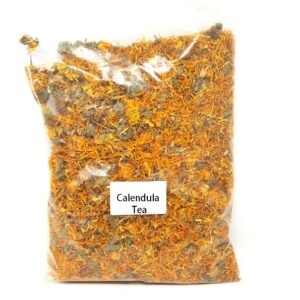
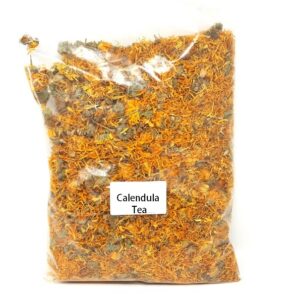
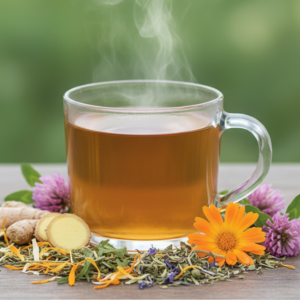
Calendula tea is one of the simplest ways to enjoy the herb. It is prepared by steeping dried flowers in boiling water for about five minutes. Practitioners have long used this tea to treat bruises, cuts, fevers and minor infections. The beverage is believed to help reduce inflammation, fight bacteria and support immune health. It may also assist in collagen production, which is essential for skin repair. Some people gargle calendula tea to ease sore throat, mouth irritation or gum inflammation. When cooled and stored in the refrigerator, it can be used as a soothing wash for acne, hemorrhoids or irritated skin.
Other traditional benefits associated with calendula tea include regulating the menstrual cycle, easing mild ear infections and helping detoxify the body after surgery. Its gentle nature makes it suitable for ongoing wellness routines. When used as an eyewash, it is said to calm tired or itchy eyes. As a hair rinse, calendula brings out golden highlights while conditioning the scalp.
Calendula’s long history is rooted in both healing and cultural traditions. Marigolds were commonly used in Roman Catholic celebrations honoring the Virgin Mary. Known for blooming regularly—often every new moon—calendula symbolizes renewal and gentle healing. Its long-standing use in herbal medicine highlights its reliability as an all-purpose remedy for skin care, digestive balance and inflammation.
Whether taken as a tea, used in ointments, added to food or applied directly to the skin, calendula remains one of the most trusted and versatile herbs for natural wellness.



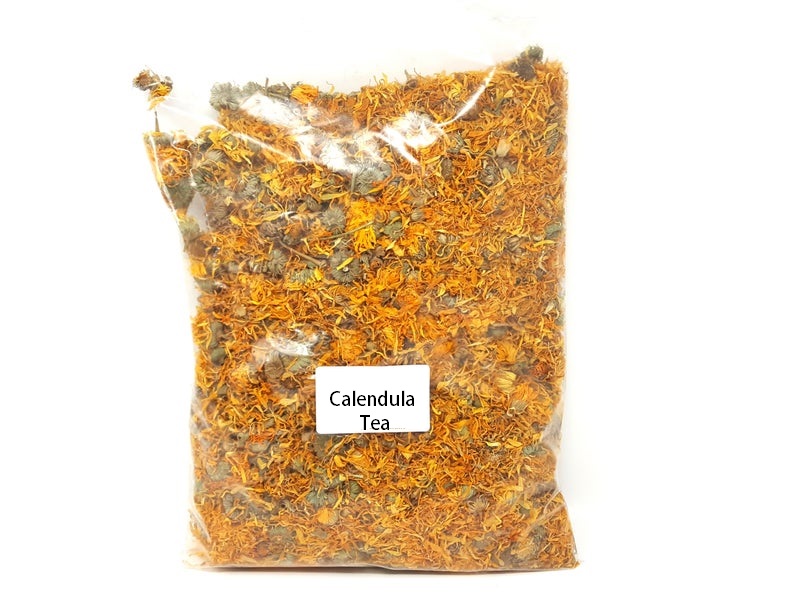

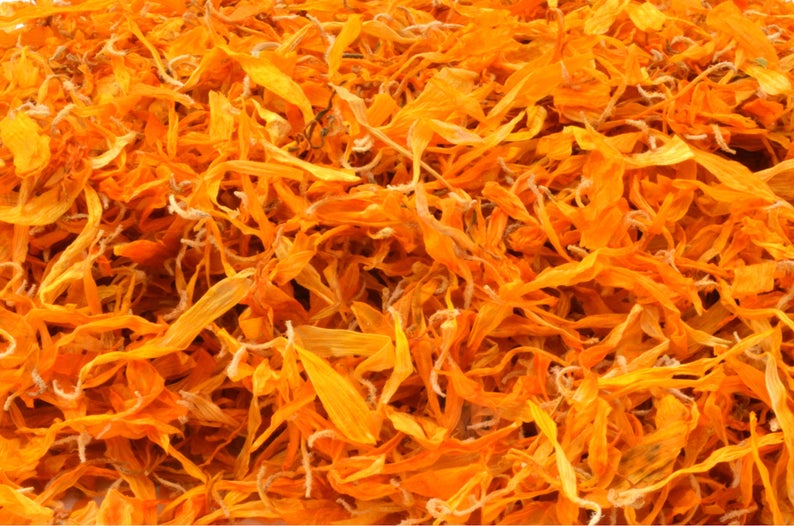
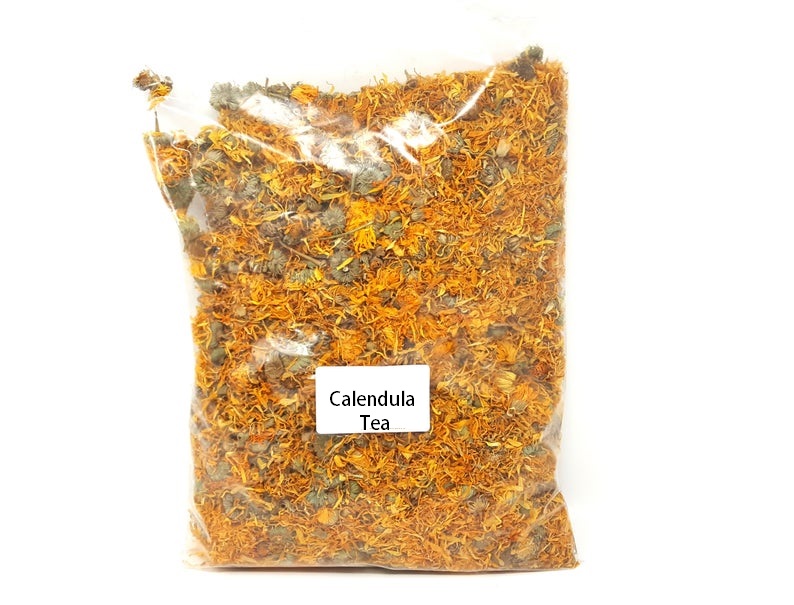

 Calendula Tea








Reviews
There are no reviews yet.