White Horehound, scientifically known as Marrubium vulgare, is a time-honored herb valued for its wide range of digestive and respiratory benefits. This perennial plant belongs to the mint family, growing across meadows, pastures and open fields throughout the United States, Canada and Europe. It has a distinctive appearance, with square stems, wrinkled green-and-white leaves and a woolly texture underneath. The herb also grows from a sturdy, fiber-rich rootstock, making it resilient in various climates.
Horehound has been used for generations to address digestion-related concerns such as loss of appetite, indigestion, bloating, constipation, diarrhea and issues involving the liver and gallbladder. It is known to stimulate the healthy production of bile and other digestive fluids, helping reduce gas and abdominal discomfort. Its natural bitter compound, marrubin, is thought to play a key role in these effects. Other constituents like flavonoids, tannins, caffeic acid, waxes, sugars and resins further contribute to its therapeutic qualities.
In addition to digestive benefits, White Horehound has a strong reputation for supporting lung and breathing health. It has expectorant, anti-spasmodic and anti-inflammatory properties that may help ease coughs, asthma, bronchitis, whooping cough and general throat or lung congestion. The herb works by thinning and loosening phlegm, allowing the airways to clear more easily. It also possesses mild antiseptic qualities, making it helpful for soothing irritated passages and even disinfecting small external wounds.
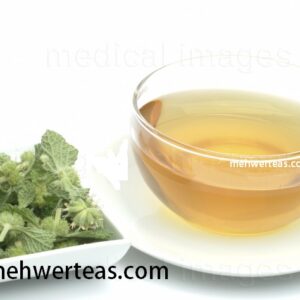
Horehound tea is one of the most common ways to consume this herb. Traditionally, 2½ teaspoons of the dried plant are simmered in a pint of boiling water for about 45 minutes. The resulting brew is naturally bitter, which is why it is often sweetened with molasses or brightened with lemon juice. Many herbalists advise avoiding regular sugar, as it may interfere with the tea’s beneficial properties. Horehound can also be consumed through tinctures, infusions, candies and encapsulated powder.
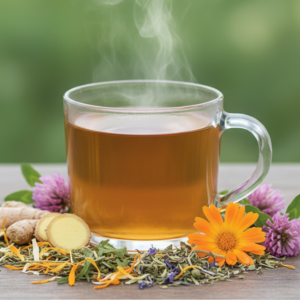
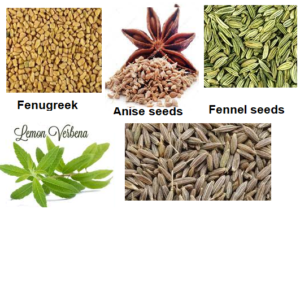
To prepare a standard cup of Horehound Tea, one tablespoon of dried leaves or flowers is steeped in freshly boiled water. Covering the container is recommended to preserve the essential oils released during steeping. The tea should sit for at least five minutes, or longer for a stronger infusion. The taste may be adjusted using honey, lemon, peppermint or aniseed. Milk should not be added.
This herbal tea is believed to support a variety of wellness needs. It may help ease upper respiratory issues, promote smoother breathing, support digestion, reduce acid reflux, calm digestive or uterine cramps and counter water retention due to its diuretic nature. Some people also use horehound to support healthy cholesterol or blood sugar levels. It is generally safe for children but not recommended for pregnant women.
White Horehound remains a trusted traditional herb, offering a balanced, natural approach to respiratory comfort and digestive health through a simple soothing cup of tea.



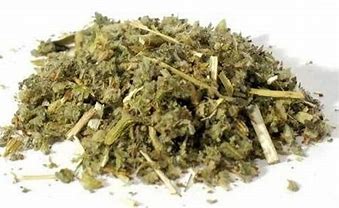

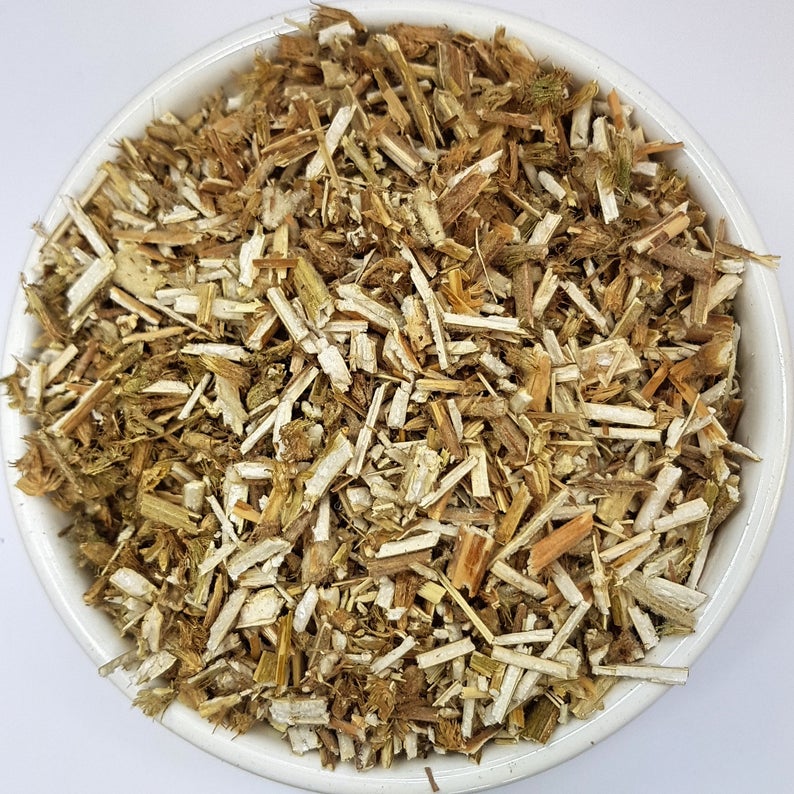
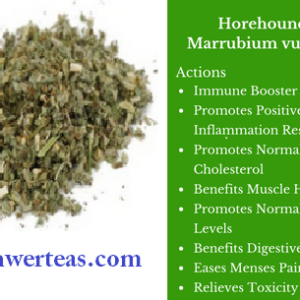

 Bulk Horehound Tea








Reviews
There are no reviews yet.