Dandelion Tea is a time-tested herbal remedy that has been used in traditional healing for generations. Often overlooked as a simple garden weed, the dandelion plant is actually a powerhouse of nutrients that offer a wide range of benefits for the liver, kidneys, digestive system and skin. Both the leaves and the roots are used to make tea, and when infused in hot water they release significant levels of vitamins A, C, D and B-complex, along with iron, magnesium, zinc, potassium, calcium, manganese, copper and other trace minerals. This makes dandelion tea a nourishing, cleansing and revitalizing drink suitable for daily wellness.
One of the key traditional uses of dandelion is liver support. The herb encourages healthy bile production, helping the liver break down fats more efficiently and promoting smoother digestion. This bile-flow action also benefits the gallbladder, making dandelion tea a common natural option for those dealing with sluggish digestion, gall stones or general discomfort after eating fatty foods. Because of its ability to support both the liver and kidneys, dandelion tea is widely considered a gentle tonic that can help cleanse the body and maintain healthy metabolic balance.
Dandelion tea has long been used for issues such as jaundice, constipation, upset stomach and difficulties related to fat digestion. The roots and leaves stimulate the digestive tract while encouraging natural elimination, making the tea helpful for relieving constipation, reducing bloating and supporting overall digestive function. Its diuretic action helps the kidneys flush excess water and toxins from the system, and unlike many synthetic diuretics, dandelion naturally replaces potassium lost through increased urination.
Externally, the sap of the dandelion plant has its own valuable uses. Applied directly from the stem, the milky sap is traditionally used to help dry warts, improve pimples, ease moles and soften callouses. It is also known to soothe bee stings, blisters and minor skin irritations. When consumed regularly, the tea may support clearer skin from within due to its detoxifying and anti-inflammatory nature.
Every part of the plant offers specific benefits. The root is known for nourishing the liver and can even be roasted to make a caffeine-free coffee substitute. The leaves, which are packed with vitamins and minerals, help stimulate digestion and support kidney function. The flowers can be used to relieve headache, backache and menstrual discomfort, and they can even be turned into herbal jelly or wine. The entire plant has high nutritional value, making it a meaningful addition to wellness routines and recipes like salads, soups and vegetable dishes.
Traditional herbal combinations often pair dandelion with other supportive plants. When mixed with horseradish tincture, it becomes a strong herbal tonic for sluggish liver function. A blend containing dandelion root, parsley root, lemon balm, ginger and licorice root is commonly used for gallstone discomfort and taken in small amounts regularly throughout the day.
Dandelion tea is widely appreciated for its detoxifying ability. It encourages the removal of waste through both the liver and kidneys, supports the body’s natural cleansing cycles and promotes better digestion of food when consumed with meals. Many people drink it as a daily wellness ritual to maintain liver health as they age and to support a comfortable, balanced digestive system.
Some of the most recognized benefits of dandelion tea include supporting liver, kidney and gallbladder function, aiding detoxification, helping maintain healthy blood sugar levels, easing digestive disorders like constipation and diarrhea and supporting clearer, healthier skin.
Dandelion Tea is a simple yet powerful herbal drink that brings together nourishment, cleansing and gentle healing. It’s one of the most versatile plants in traditional herbal medicine and offers steady, natural support for long-term wellness.

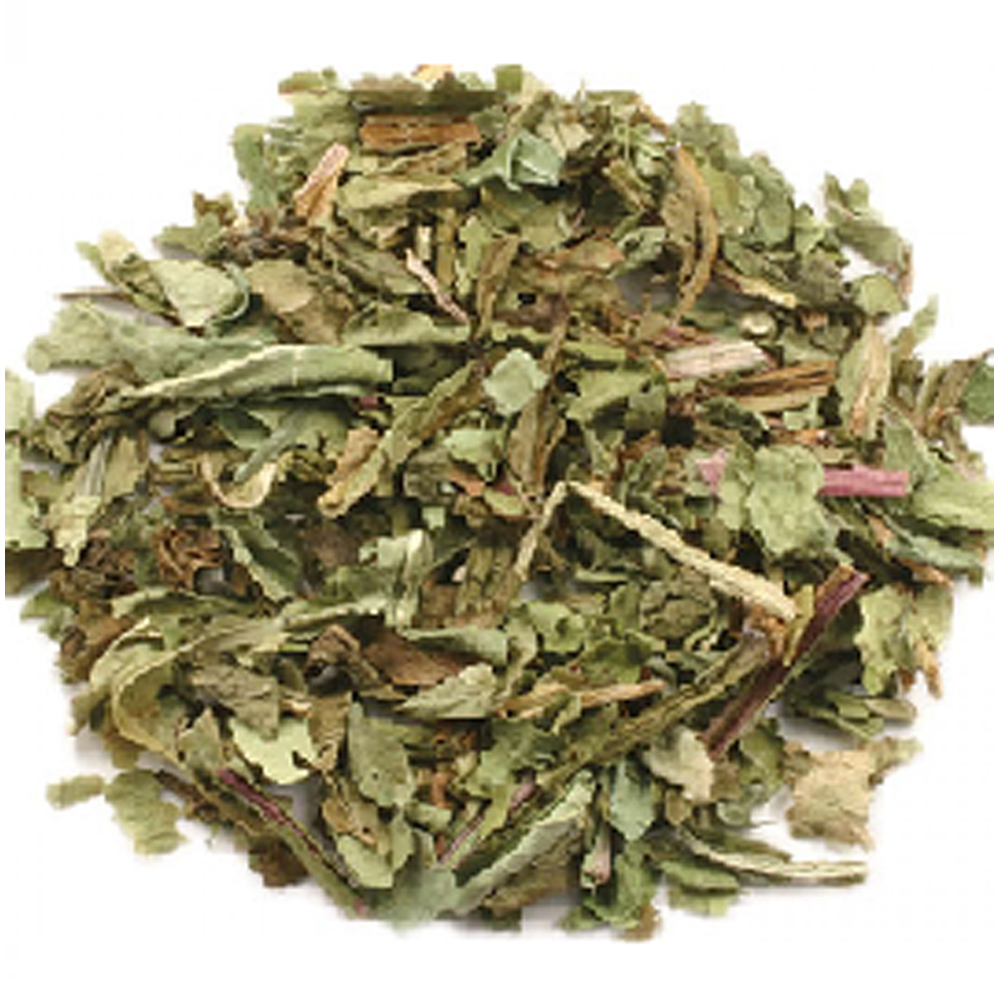


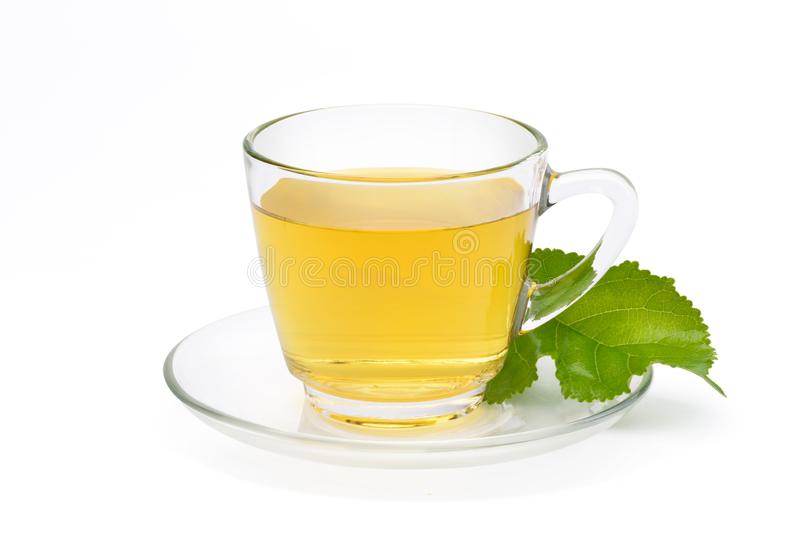


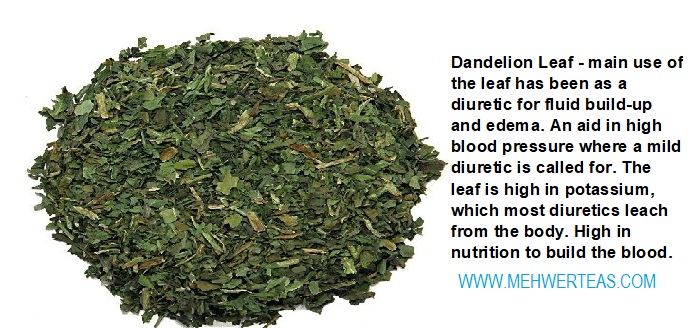




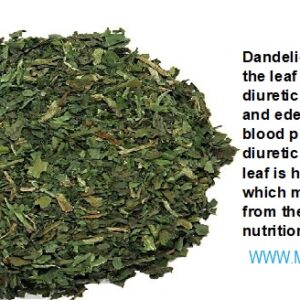
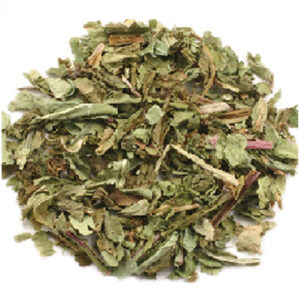 Bulk dandelion leaf Tea








Reviews
There are no reviews yet.