Corn silk tea comes from the long, shiny fibers found on the tops of corn ears, known botanically as Zea mays. These silky strands are not eaten as food, but they have been used in traditional herbal medicine for centuries. In Kashmir, where the plant is cultivated, and in many Native American and Central and South American cultures, corn silk has long been valued for its powerful diuretic and soothing properties.
The strands begin green, gradually turning red and finally golden yellow as they mature. Their natural purpose is to collect pollen for the corn seed, but in herbal practice they are prized for their ability to support the urinary and renal systems. Corn silk is rich in beneficial nutrients including potassium, calcium and vitamins B2, C and K. It also contains allantoin, mucilage, saponins and the flavonoid maysin, all of which contribute to its healing effects.
Corn silk tea helps the body release excess water, making it useful for managing bloating and fluid retention. By increasing urine flow, it supports the cleansing of the kidneys and bladder and may help in cases of urinary tract infections, cystitis, prostatitis and inflammation of the urinary passages. Traditionally, corn silk has also been used to support prostate health, treat jaundice, improve appetite, lower blood pressure and soothe arthritis. Its vitamin K content historically made it useful for managing minor bleeding.
The tea is simple to prepare. A handful of corn silk is added to boiling water and allowed to steep for about 10 minutes. For urinary infections, one cup can be taken up to three times per day until symptoms ease. Corn silk can also be applied externally as a poultice for boils, wounds and skin ulcers.
This gentle herbal infusion remains a valued natural remedy for detoxification, urinary wellness and internal balance.



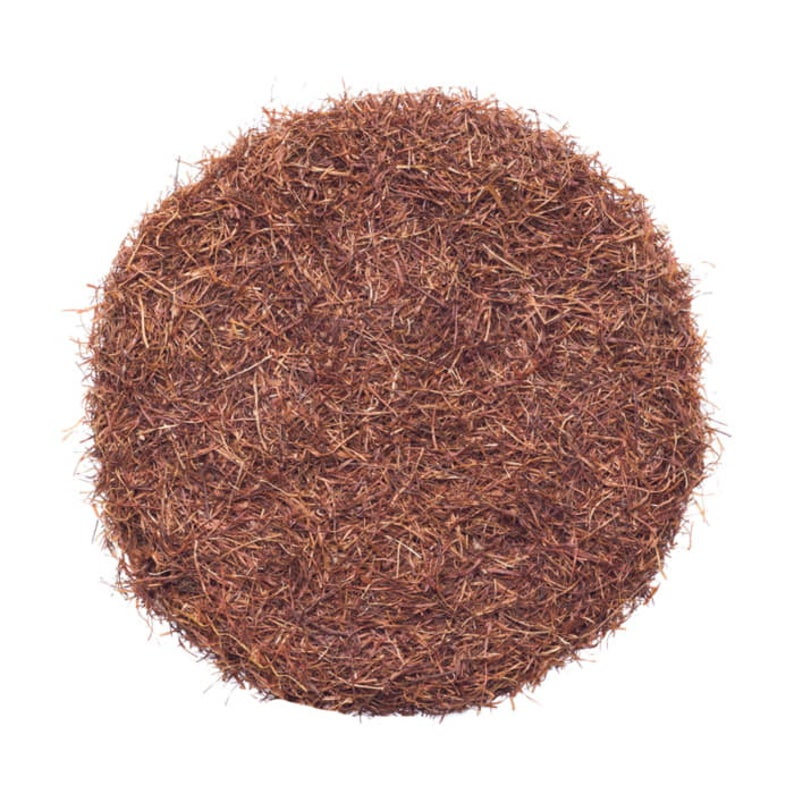
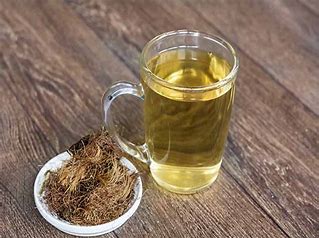






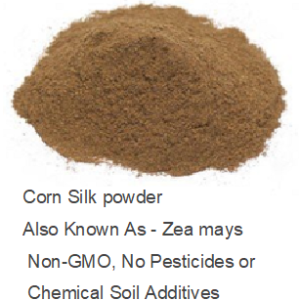
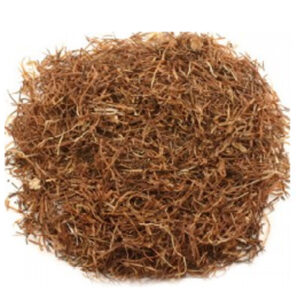 Bulk Corn silk tea








Reviews
There are no reviews yet.