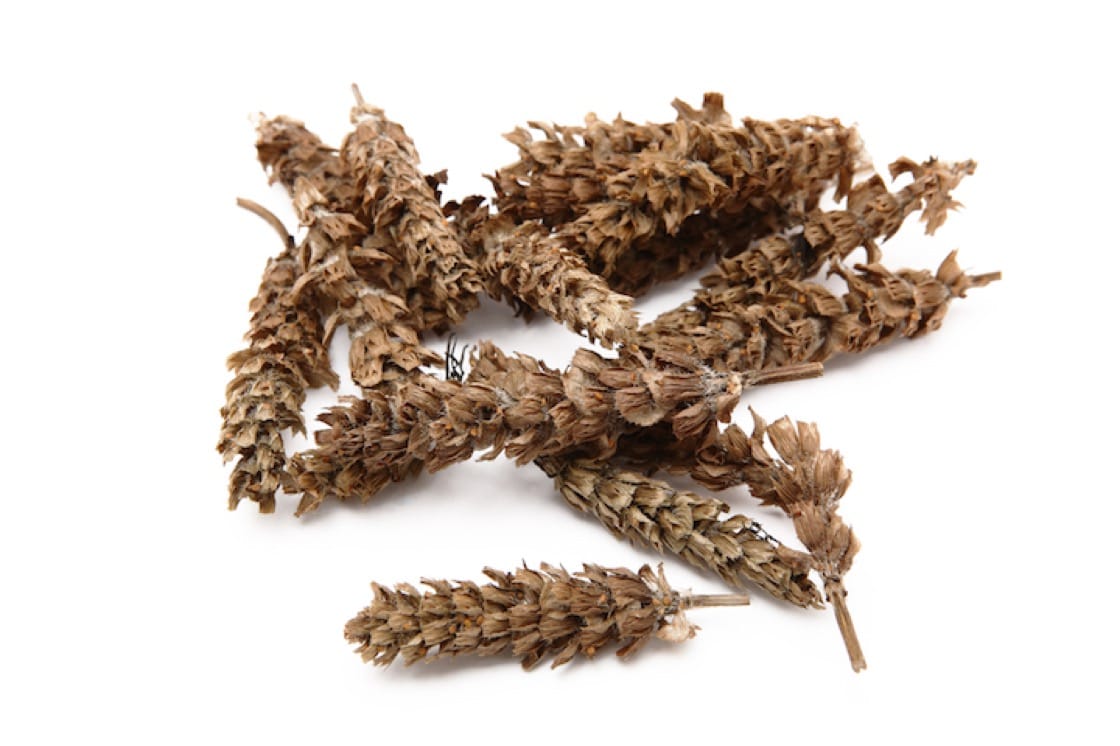
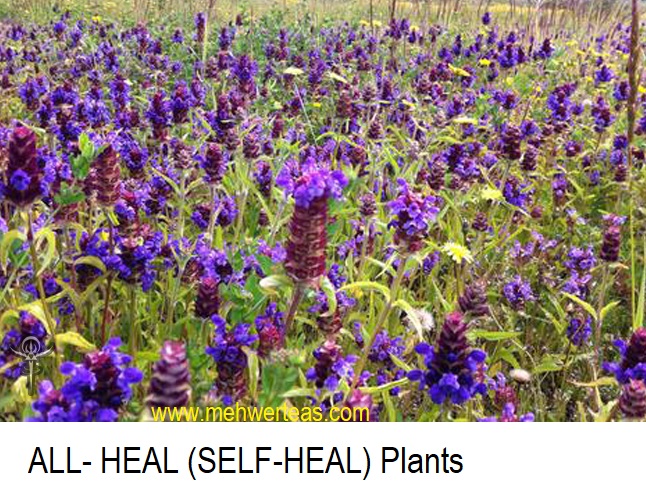
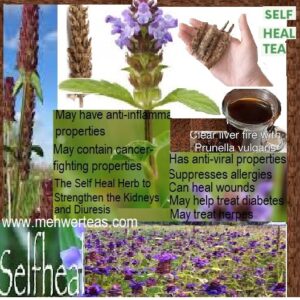
Self Heal, scientifically known as Prunella vulgaris, is a hardy perennial herb found across North America, Europe and the cooler regions of Asia. It belongs to the mint family, though it lacks the strong aroma associated with typical mints. The plant is easy to spot in the wild thanks to its upright spikes topped with rings of small purple flowers. Traditionally, it has earned names like “heal all” because of its wide range of uses in herbal medicine.
For centuries, Self Heal has been valued for treating cuts, abrasions, bruises, fevers and various infections. Historical records show that German military doctors in the 16th century relied on this herb to help close wounds and reduce inflammation. Today, it remains popular for its natural healing properties.
Its strength comes from its rich mix of active constituents, including vitamins A, B, C and K, along with compounds such as betulinic acid, oleanolic acid, rosmarinic acid, rutin, ursolic acid and tannins. These components are known for their antiseptic, antibacterial and astringent effects, which support tissue repair and help fight infection.
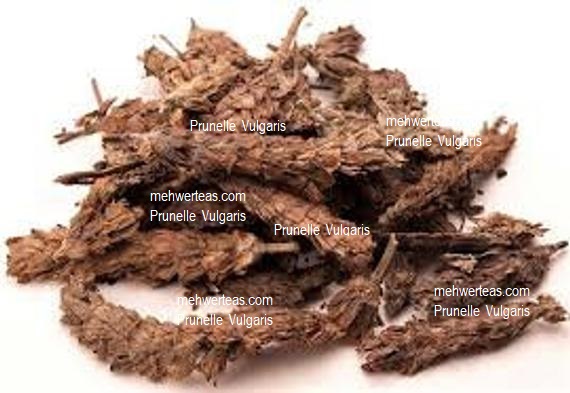
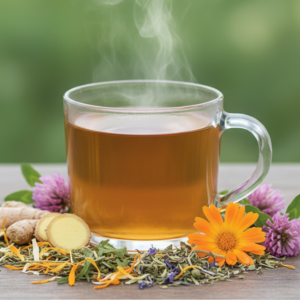
Self Heal tea is made by steeping two teaspoons of dried leaves or flowers in freshly boiled water for about ten minutes. It can be consumed twice daily or used externally as a gargle for sore throat or as a lotion for minor wounds, boils and skin irritation.
Many herbalists believe Self Heal tea may help speed up the healing of cuts and bruises by slowing bleeding and supporting repair. It is also used for sore throat, diarrhea, eye infections such as styes and conjunctivitis, and may even help lower blood pressure. Some traditional sources mention potential benefits for immune-related conditions, though these claims require more scientific evidence.








 ORGANIC SELF HEEL TEA








Reviews
There are no reviews yet.