Figwort is a long-respected herbal plant used in traditional medicine fields across Europe, North America and Central Asia. It grows in damp, cool environments and is easy to identify by its tall square stems, sharply shaped leaves and small green-violet flowers. The herb has a long history as a cleansing and purifying plant, often prepared as a tea for detoxification and skin support.
It contains a rich mix of saponins, antioxidant flavonoids, organic acids, resins and natural sugars. One notable group of compounds in figwort are its cardioactive glycosides, which are known to influence heart function by strengthening the heartbeat while slowing its rate. Because of this, figwort should be used with caution by anyone with heart problems or irregular rhythms. It is also not recommended for pregnant women.
Figwort tea was traditionally used in Europe to help with “King’s Evil,” a condition now known as scrofula, or tuberculosis of the lymph glands. In Chinese herbal tradition, it has been taken as a tonic for balancing yin energy and supporting the body’s natural cleansing processes. Today, it is most commonly used for skin-related concerns such as eczema, psoriasis and chronic irritation.
Fig leaves offer additional benefits and are used for helping regulate blood sugar, lower cholesterol and support digestive balance. The milky latex from the fig tree has also been applied directly to the skin for warts and non-malignant growths.
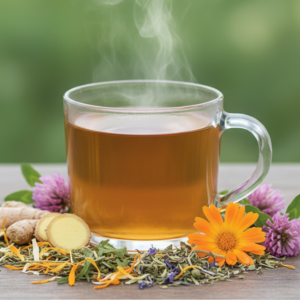
To prepare figwort tea, two teaspoons of dried herb are steeped in hot water for about ten to fifteen minutes. It is often taken up to three times daily.
Traditional uses suggest potential benefits such as supporting weight control, improving metabolism, easing constipation, lowering blood pressure, reducing cholesterol and providing antioxidant support. It is also considered mineral rich, especially in calcium and iron.

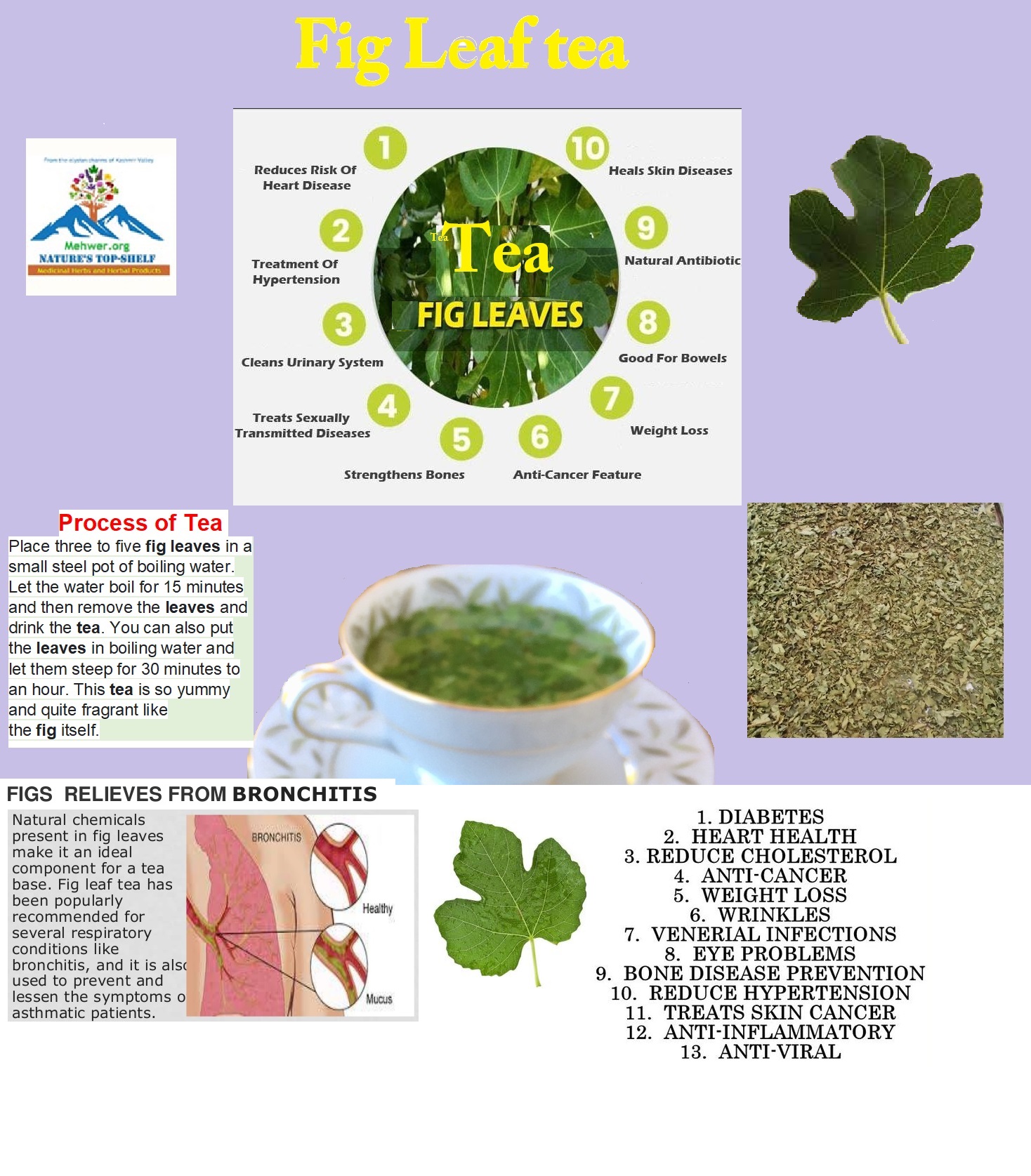
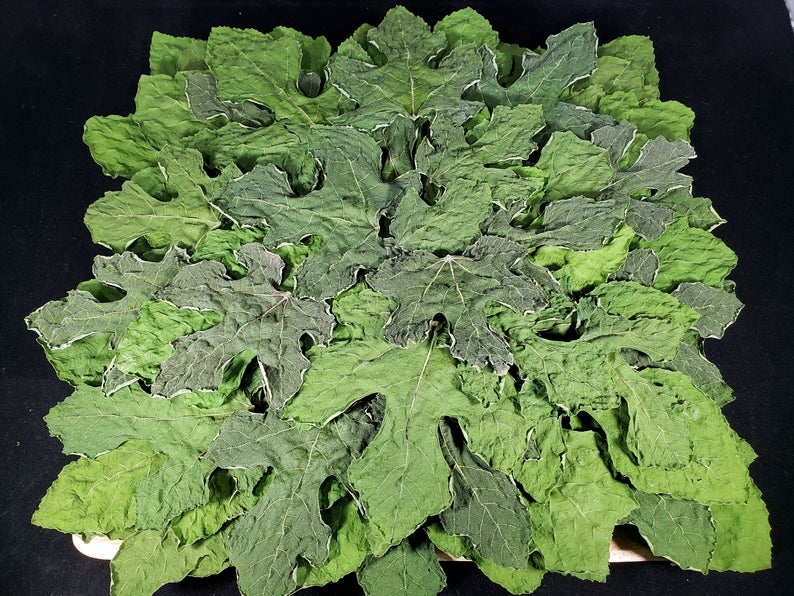
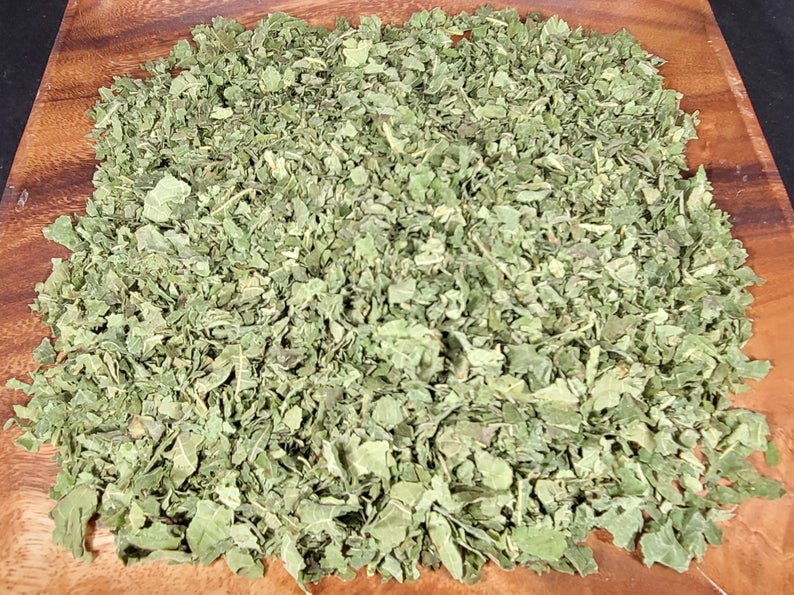


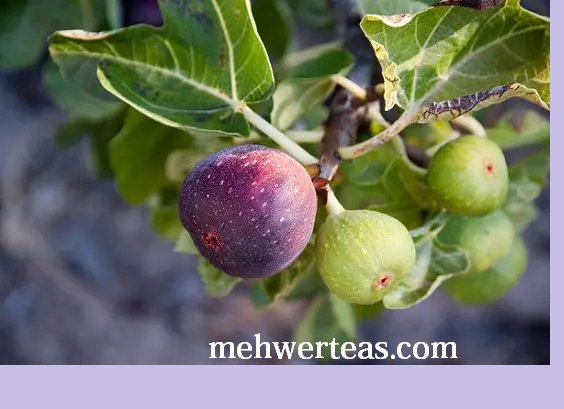

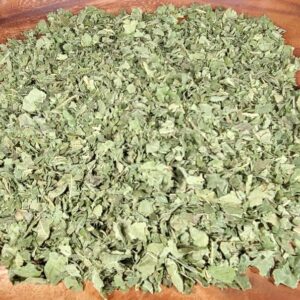

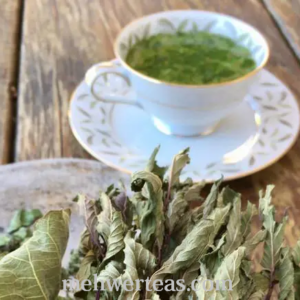
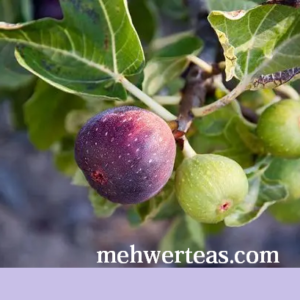
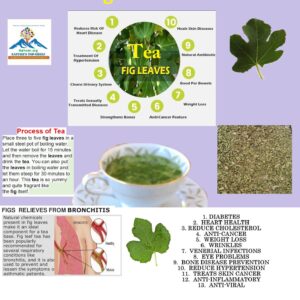 Fig Leaf Tea








Reviews
There are no reviews yet.