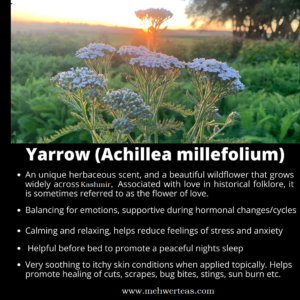
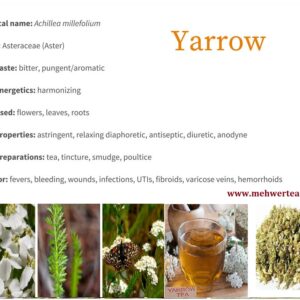
Yarrow, scientifically known as Achillea millefolium, is a long-stemmed herb widely found in Kashmir. It is recognized by its finely segmented leaves and clusters of small, daisy-like white or lavender flowers that bloom at the top of each stalk. This ancient medicinal herb carries many traditional names, including common yarrow, milfoil, soldiers woundwort, staunchweed and Western yarrow. For generations, the above-ground parts of the plant have been used to make herbal medicines, teas and remedies.
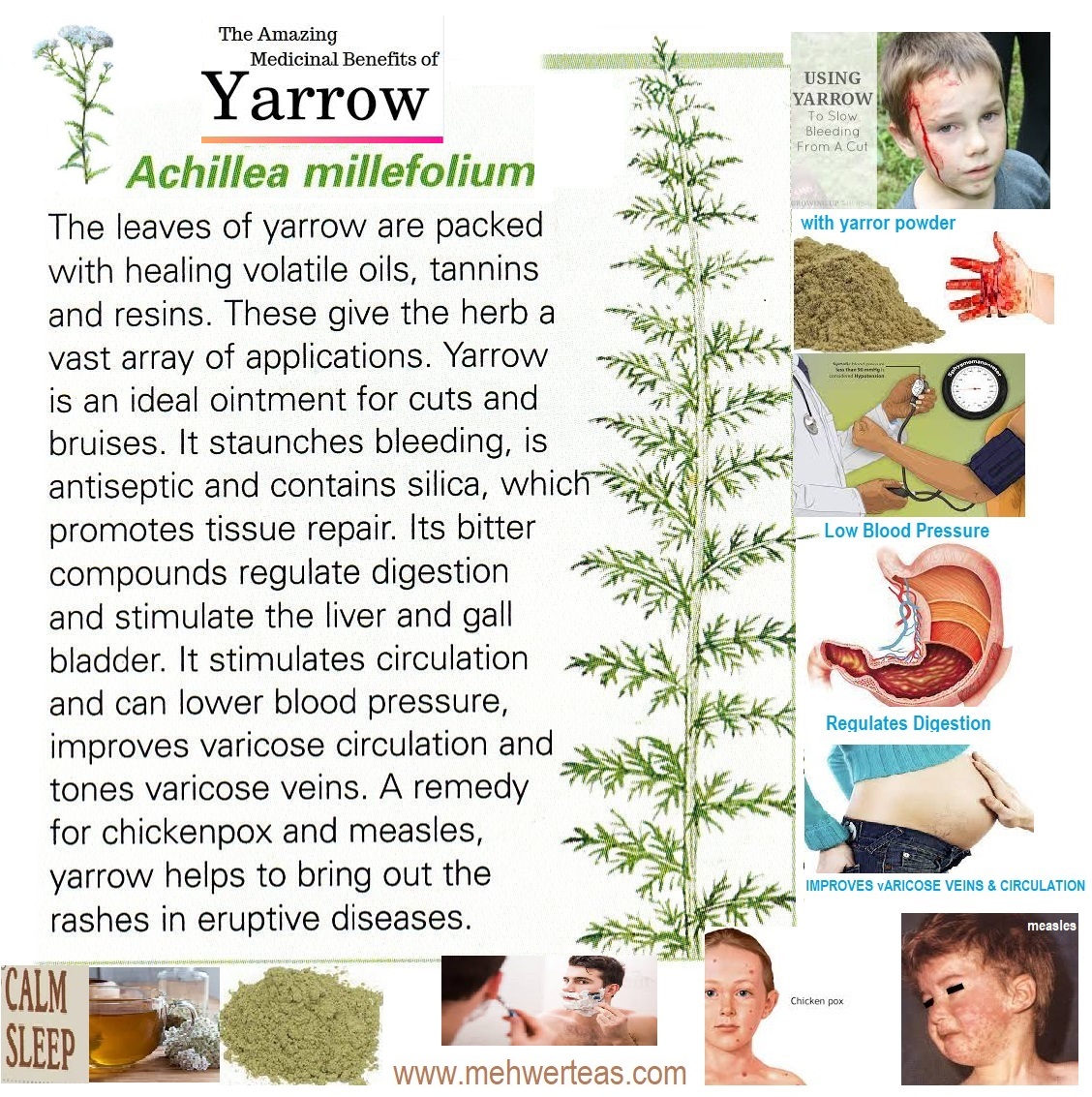
Yarrow has been valued particularly for its ability to support the body during fever, colds and seasonal discomfort. The herb is known as a natural diaphoretic, meaning it promotes sweating. This helps cool the body naturally and can provide relief during fevers. Many people use yarrow tea at the first signs of a cold or flu. Its benefits come from its active constituents, including bitters, chamazulene, proazulene, saponins, tannins and fatty acids. These compounds support circulation by dilating surface capillaries and encouraging blood flow to the skin.
Beyond fever relief, yarrow is used for a wide range of digestive concerns. Traditionally, it has been taken for loss of appetite, gastrointestinal discomfort, diarrhea, dysentery, flatulence, gastritis and enteritis. Because it is soothing to the stomach and supportive of digestive function, it is often included in herbal blends aimed at calming the digestive tract. Some people also use yarrow for liver and gallbladder support, as it may help stimulate healthy organ function.
Women have historically used yarrow to encourage menstruation, especially when cycles are delayed. Due to this effect, the herb should not be used during pregnancy. Fresh yarrow leaves are sometimes chewed to relieve toothache, showcasing its versatility as a natural remedy. Yarrow has also been traditionally mentioned in cases of internal bleeding, particularly of the lungs, though such uses should be approached cautiously and under professional guidance.
Preparing yarrow as a tea is simple. Just add two or three fresh or dried sprigs—including leaves and stems—to boiling water. Let it steep for at least five minutes or longer for a stronger infusion. Yarrow tea is often taken warm to encourage sweating and ease fever-related discomfort.
While yarrow is a powerful herbal ally, it should be used with proper care. Prolonged use may cause the skin to become sensitive to sunlight. It is also not recommended for individuals allergic to ragweed or related plants. When used responsibly, yarrow remains one of the most dependable herbs for immune support, digestive comfort and overall wellness.

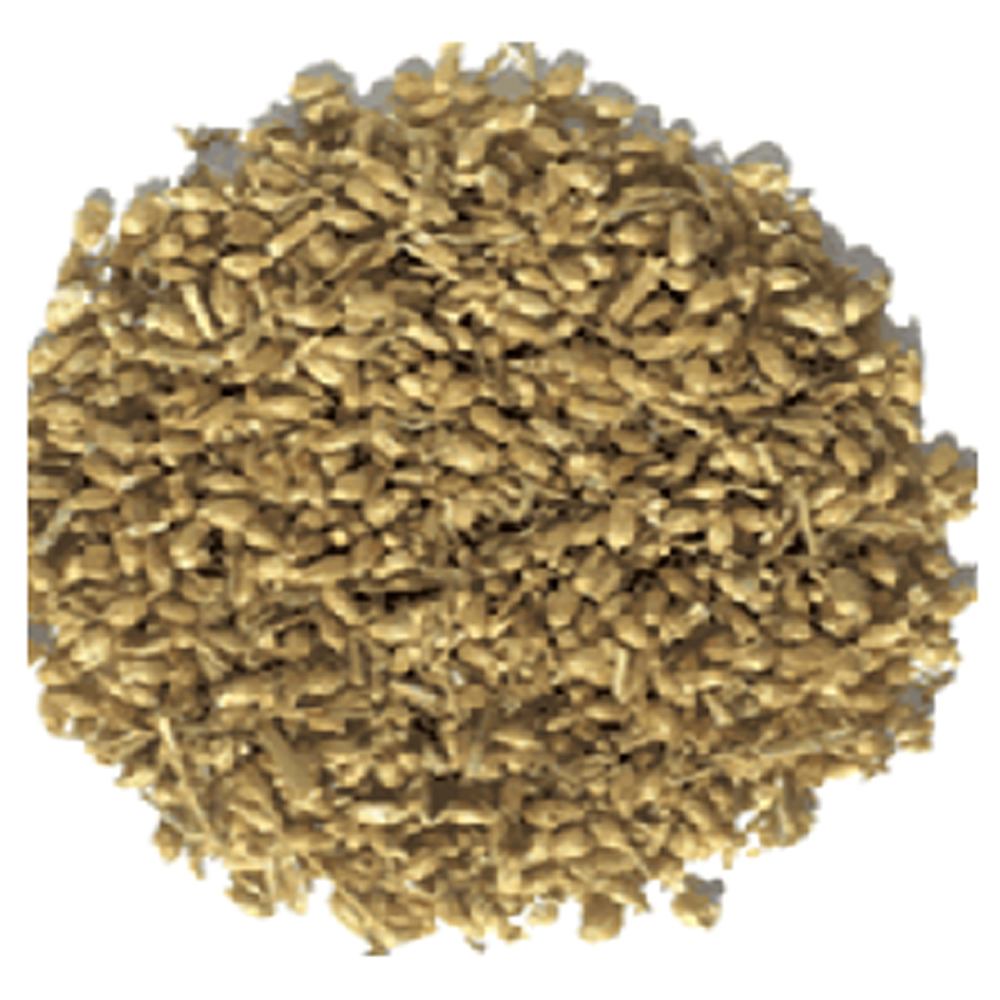



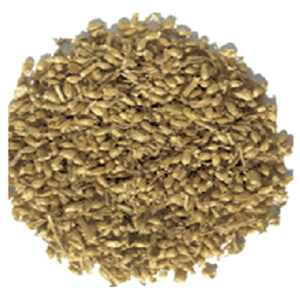 Bulk Yarrow tea








Reviews
There are no reviews yet.